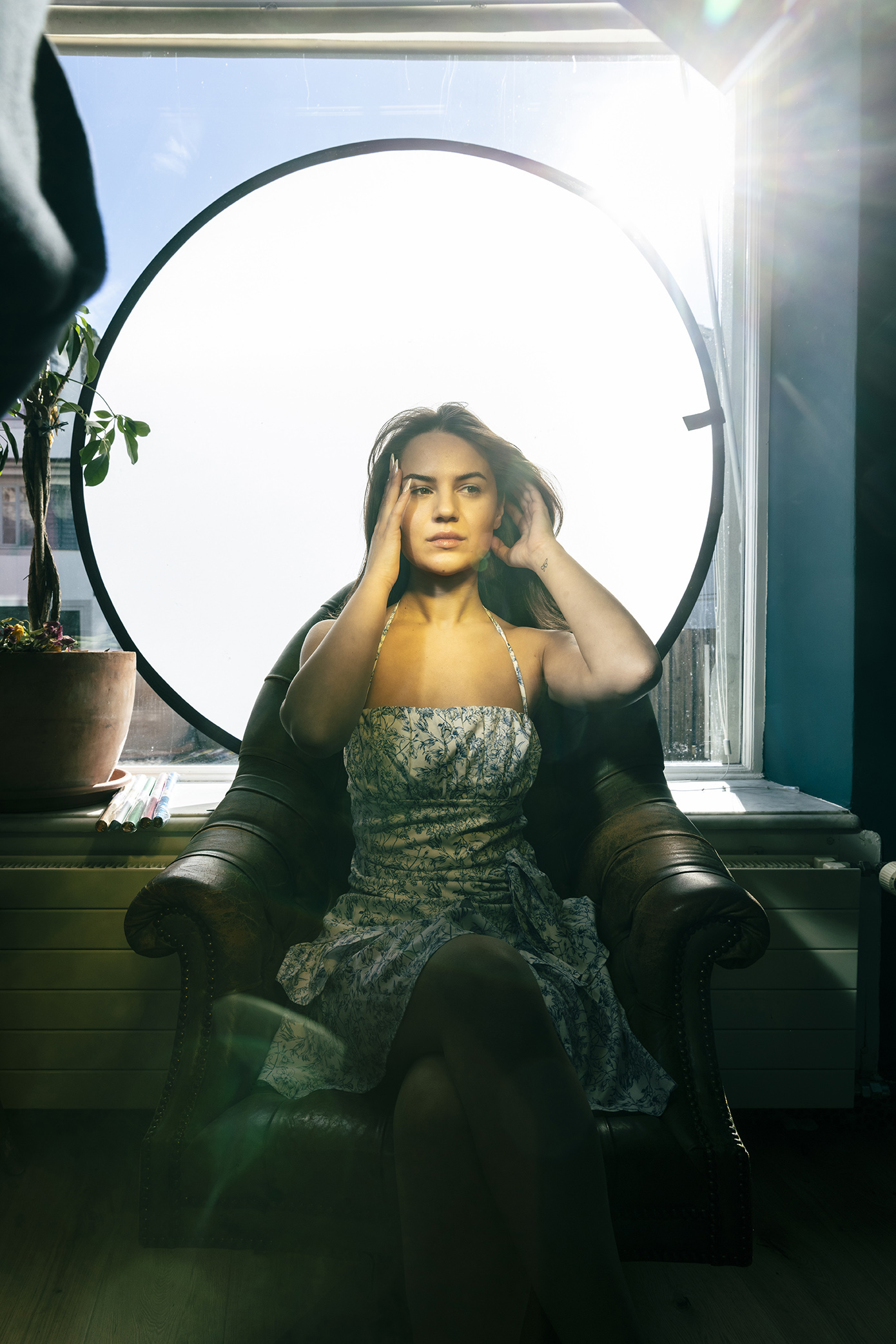
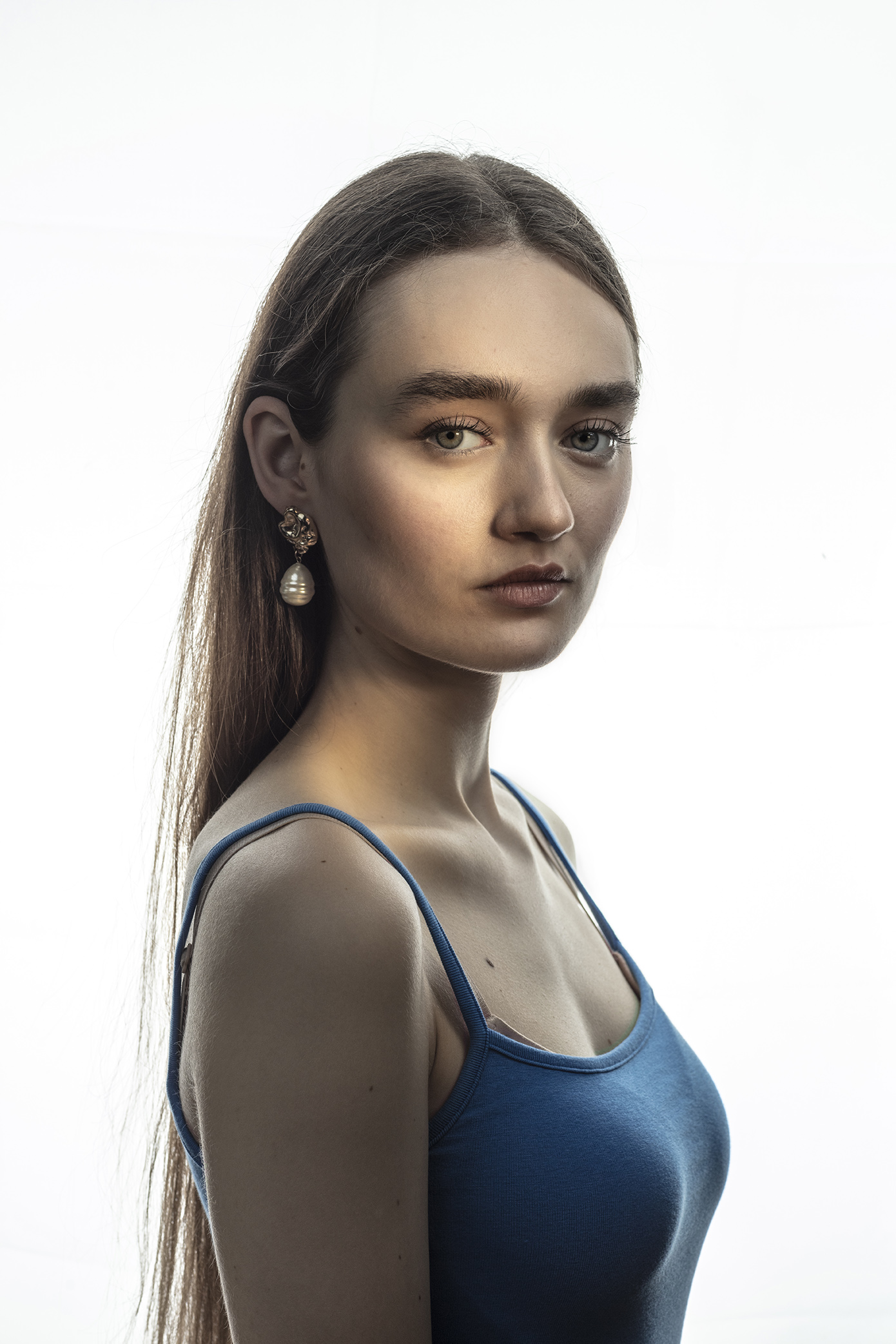
Masters of Light: Remko Kraaijeveld
commercial
Some photographs simply show food. Others make you feel its texture, its warmth, even its flavour. The difference often has very little to do with the camera and everything to do with light.
Remko Kraaijeveld is one of the Netherlands’ leading food photographers, working internationally on cookbooks, advertising campaigns and editorial productions. His distinctive visual language combines a deeply tactile approach to food with the painterly quality of traditional Dutch still-life photography. For Remko, light is never just about illuminating a subject. It is about revealing its structure, its juiciness and ultimately its character.
What first drew you to food photography?
My fascination with food goes all the way back to my childhood. My parents had a second home in France, and I remember walking through the local markets, surrounded by all these beautiful ingredients, colours and textures. I found that world absolutely fascinating, and I think that’s really where my love for food began.
Today, I photograph cookbooks and advertising campaigns for clients around the world, but that original fascination is still there. Food is such an interesting subject because there is so much to discover in its structure, its shapes and its natural beauty.
For me, a great food photograph has to capture something beyond appearance. You want to make people feel the freshness of an ingredient, the juiciness of a dish, the quality of its texture. And very often, the element that makes all of that possible is light.
When you arrive on a food photography set, where do you begin?
The first thing I do is look for the right place to tell the story. Before I even think about taking photographs, I want to understand the location, the subject and the atmosphere I’m trying to create.
Once I’ve found that place, I start working with the light. It becomes the foundation of the photograph, something I build everything else around. Only then do I start working with the camera.
I think it’s important to understand that lighting is not simply about making something visible. It’s about deciding which parts of the subject you want to reveal, how you want its surfaces to look and what kind of feeling the final image should communicate.
Especially with food, the direction and quality of light can completely change how we perceive an ingredient. The structure, the moisture, the highlights and the shadows all contribute to making the image believable and appetising.
What makes food photography particularly challenging?
Food photography is actually quite unforgiving, and I think many people underestimate that.
When a chef or food stylist brings a beautifully prepared dish onto the set, it looks perfect for a very short period of time. Everything is fresh, warm and shiny, and that’s exactly the moment you need to capture.
You simply cannot spend hours adjusting your equipment while the food is waiting. By the time you’ve finished setting up, you may have lost the qualities that made the dish so beautiful in the first place.
That’s why preparation is essential. I want my lighting setup to be ready before the food arrives, so I can concentrate on capturing that moment when everything looks exactly as it should.
In professional food photography, good lighting is not just a question of aesthetics. It is also a question of timing, consistency and being able to work efficiently without compromising the result.
How do you create natural-looking sunlight when shooting in the Netherlands?
One of the realities of working in the Netherlands is that we don’t always have a lot of sunshine. And when you’re working professionally, you cannot necessarily wait for the weather to give you the perfect conditions.
I love the feeling of natural daylight, and I often want to preserve that quality in my photographs. But sometimes the available light simply isn’t enough, or it doesn’t have the direction and character I’m looking for.
That’s why I use artificial continuous light as a foundation for creating a natural, sunlight-inspired look. I can combine it with the daylight that’s already there, adding the warmth, direction and intensity that the scene needs.
The objective is not to make everything look artificially illuminated. Quite the opposite. I want the photograph to feel as though the light belongs naturally to the environment.
Being able to control that light is incredibly useful, particularly when working between indoor and outdoor locations, or when the available daylight changes throughout the day.
Your photography has a distinctive painterly quality. Where does that come from?
There’s a particular quality of light that I associate with traditional Dutch painting, especially the still-life paintings of the 17th century. It’s something I’ve studied and that has influenced my photographic work.
I love the way those painters used light to reveal objects, create depth and give ordinary subjects a very particular atmosphere. The relationship between illuminated areas and shadows is incredibly important.
I try to bring some of that feeling into my own photographs. It’s not just about making a technically correct image. It’s about creating something with depth, character and an almost tactile quality.
People often recognise that Dutch painterly light in my work, and Maxima helps me achieve it with the kind of control I’m looking for.
In a way, photography really is painting with light. You’re using illumination and shadow to guide the viewer’s attention and give a subject its own visual identity.
How do you use the Maxima Fresnel Reflector in food photography?
One of the modifiers I use a lot is the Maxima Fresnel Reflector. What I particularly like about it is the crispness of the light and the beautiful, defined shadows it allows me to create. I normally pair it with Maxima 6 and Maxima Spectra.
With food photography, those details are extremely important. A carefully placed highlight can reveal the juiciness of a surface or give a subject that little sparkle that makes it feel alive. At the same time, a strong, well-positioned shadow can add depth and shape.
A Fresnel gives you a focused, directional source instead of simply spreading light across the entire scene. That makes it particularly effective when you’re looking for the feeling of direct sunlight, with a controlled beam and more pronounced shadows.
For me, the important thing is being able to shape the light rather than simply add more of it. I want to create the right contrast, the right highlights and the right atmosphere.
That’s why I find the Fresnel such a useful part of my lighting setup. It allows me to introduce exactly the kind of crispness and character I’m looking for.
Can you remember the first assignment where Maxima made a real difference?
One of the first major assignments where I really started using Maxima was a large campaign for a Dutch cheese brand working internationally.
The client wanted a very particular lifestyle atmosphere, something that combined people, food and a genuine feeling of enjoyment. We were working with models, moving between indoor and outdoor locations, and dealing with different lighting situations throughout the production.
For that project, I really needed to combine artificial lighting with natural daylight. I wanted the images to have a consistent look, but I also needed enough flexibility to deal with everything that was happening on set.
That was one of those moments when I realised how important having the right lighting equipment really was. Maxima allowed me to achieve the result I wanted and gave me the confidence to work across those different environments.
For me, professional equipment proves its value in situations like that, when you have a demanding assignment and the lighting has to work without becoming another problem to solve.
What do you appreciate most about Maxima lighting?
What initially attracted me to Maxima was the combination of simplicity and ruggedness.
When I’m on a professional shoot, I don’t want to spend my time navigating complicated menus or dealing with functions I don’t really need. I want to put the light in position, adjust what I need and start working.
With Maxima, that process feels very intuitive. The construction is also something I really appreciate. The lights feel solid, dependable and ready to be used in demanding environments. In many ways, they feel built like a tank.
I like equipment that gives me control without making the technology itself the centre of attention.
There’s a comparison I sometimes make with Leica cameras. What I appreciate about that philosophy is the simplicity of the interface and the idea that the photographer should remain in control.
That’s how I feel about Maxima. The light does what it is supposed to do: create beautiful light. It doesn’t try to take over the creative process with features I may never use.
For me, that’s an important distinction. The photographer should lead the technology, not the other way around.
Why has continuous lighting become important for your moving images and cinemagraphs?
One of the reasons I started working with Maxima was that my photography was evolving.
I was moving beyond traditional still photographs and experimenting with moving images, cinemagraphs and GIFs. These are formats that my clients increasingly want, and they create some very interesting creative possibilities.
The challenge is that I couldn’t achieve the same results with traditional flash photography. When you want to introduce movement into an image, you need a light source that remains present throughout the action.
With continuous LED lighting, I can see the light as I’m working and maintain the visual character of the scene while creating moving content.
For a commercial photographer, that flexibility is very valuable. It allows photography and motion to become part of the same creative process, rather than two completely separate ways of working.
I still approach the subject as a photographer, paying attention to composition, atmosphere and light. But now I have the freedom to bring that image to life.
What is the biggest lighting mistake photographers make?
I think one of the biggest mistakes, especially when you’re starting out, is simply using too much light.
People often assume that a more complicated setup will automatically produce a better photograph. But I think the opposite is often true.
My advice is to start with one light and really study where to position it. Look at what happens to the subject when you change the direction, how the shadows develop and where the highlights appear.
If you get that first light right, you’re already about 90% of the way towards a good photograph.
A successful lighting setup doesn’t necessarily need multiple sources. What matters is understanding why you’re placing a light in a particular position and what it’s doing to the subject.
That understanding is much more valuable than simply adding another lamp.
What equipment should an aspiring food photographer invest in?
I think modern cameras are all incredibly good. You can buy almost any camera today and produce excellent photographs. Even an iPhone can take a good picture.
Lenses are important, of course, and I think you should spend time finding the ones that really fit your way of working.
But one of the most important investments you can make is in good, consistent lighting equipment.
When you can rely on the quality of your light, your work becomes easier. You can achieve better results, work more quickly and spend more time concentrating on the photograph itself.
For me, light is what really tells the story. The camera captures the image, but it is the light that gives that image its feeling, depth and personality.
What advice would you give photographers in an age of AI-generated imagery?
I think the most important thing is to keep experimenting.
The more you try new things, the more you discover what you enjoy and what makes your work different. Photography should be fun. It’s a pleasure, and I think it’s important never to lose that feeling.
Be playful, be bold and don’t be afraid to experiment. You don’t always know what the result is going to be, and sometimes that’s exactly what makes the process so interesting.
I also believe that the creativity and positivity you bring to your work become part of the photographs you make. Your clients can see and feel that personal involvement.
For me, that’s something incredibly valuable, particularly now that AI-generated images are becoming more common.
A photograph is not only about the final pixels. It’s also about the choices, the experience and the personality of the person creating it.
Keep that creativity alive. Let the equipment support your vision, but never allow it to replace it.

Remko Kraaijeveld
Where? The Netherlands
When? Since 1996
What? Food photography
Favourite equipment? Maxima 6 – Maxima Spectra – Maxima Fresnel Reflector – Fujifilm GFX & Leica


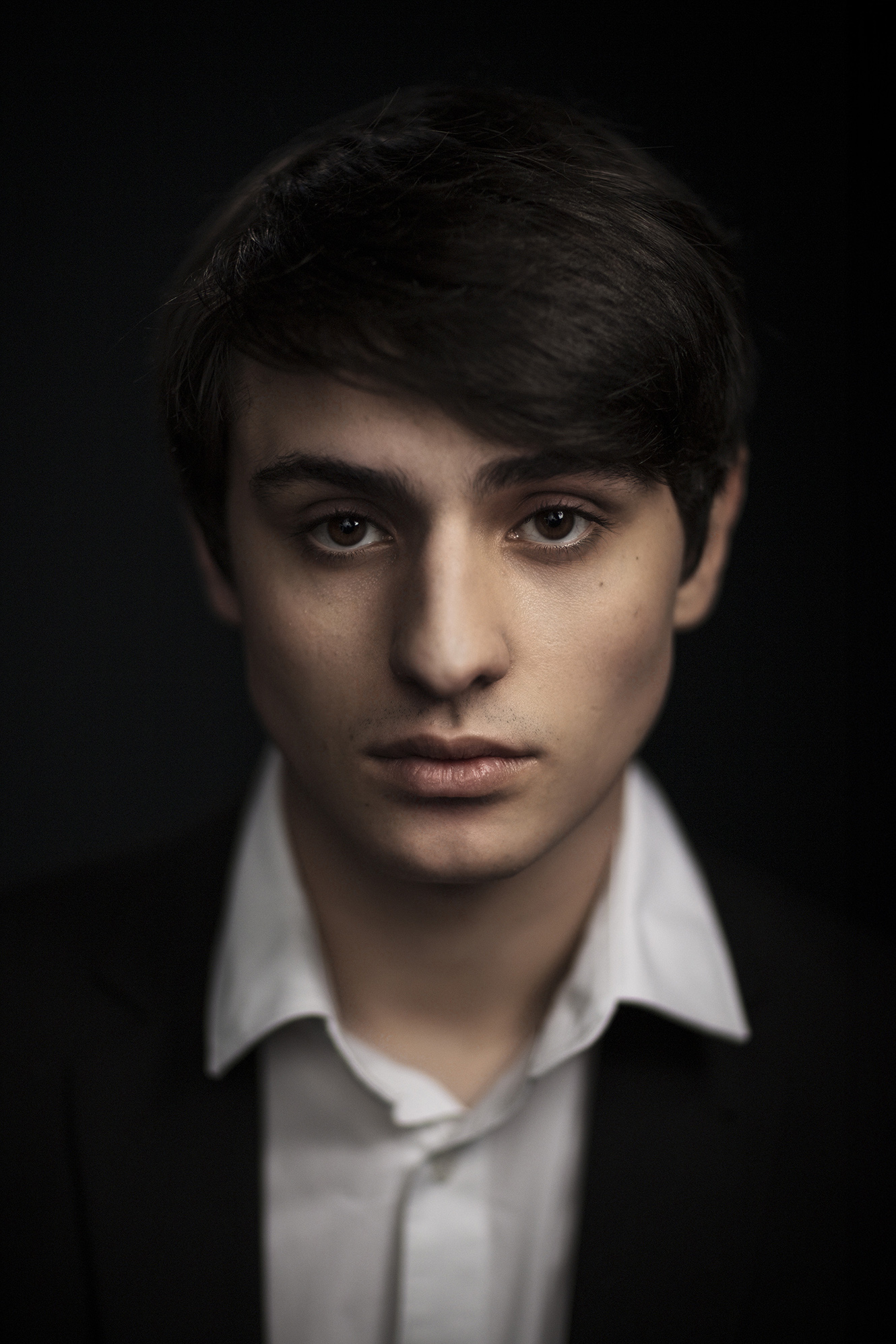
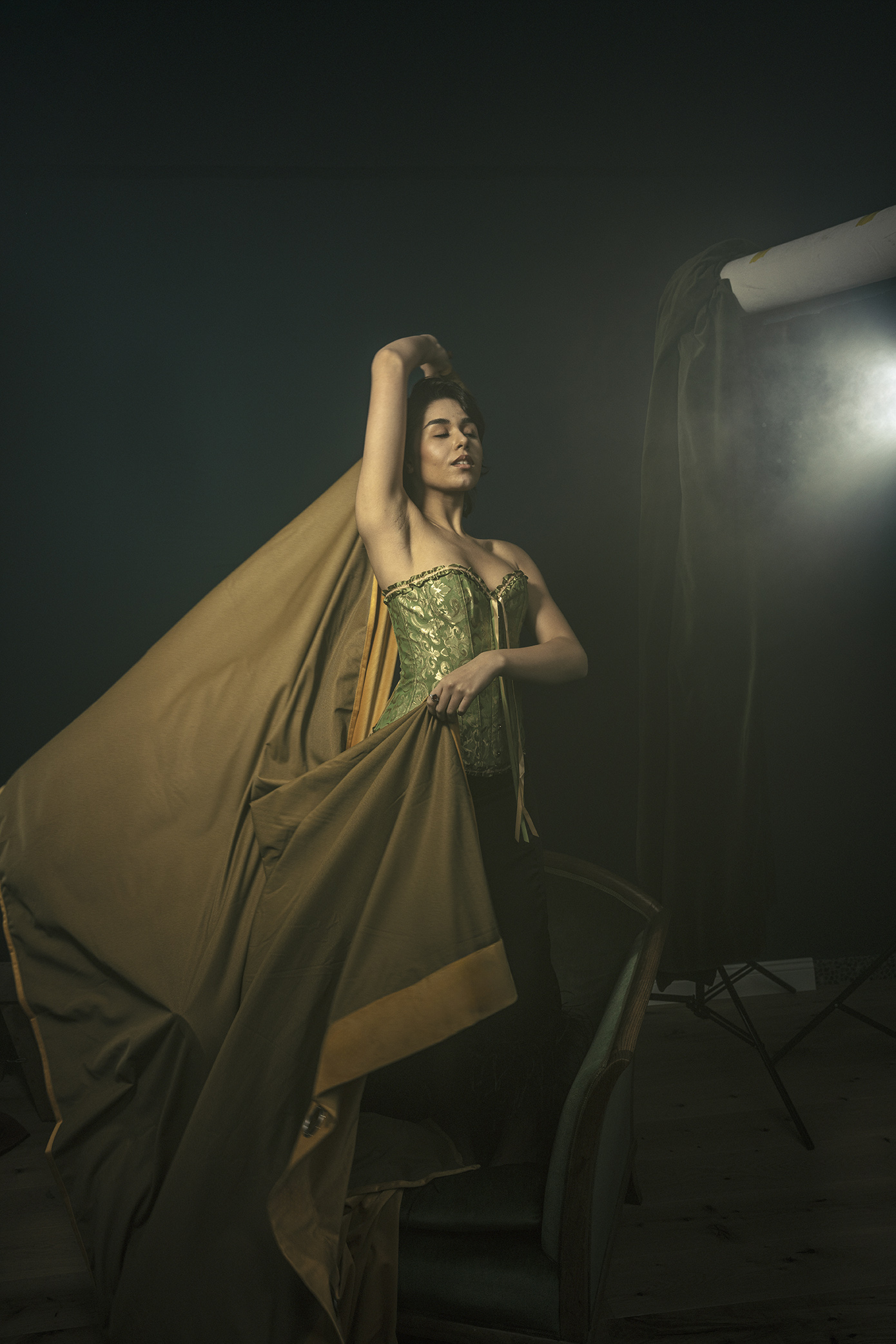
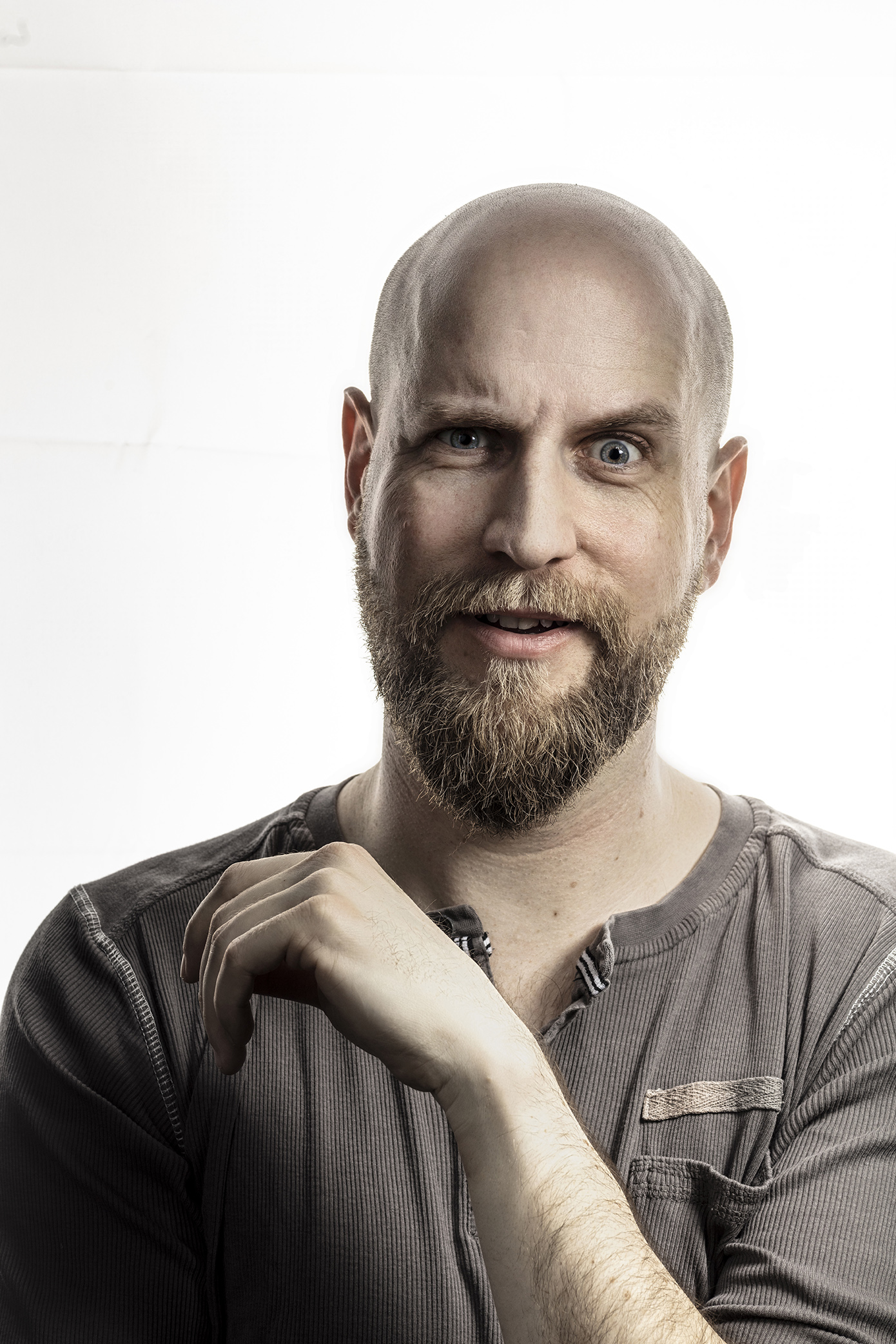
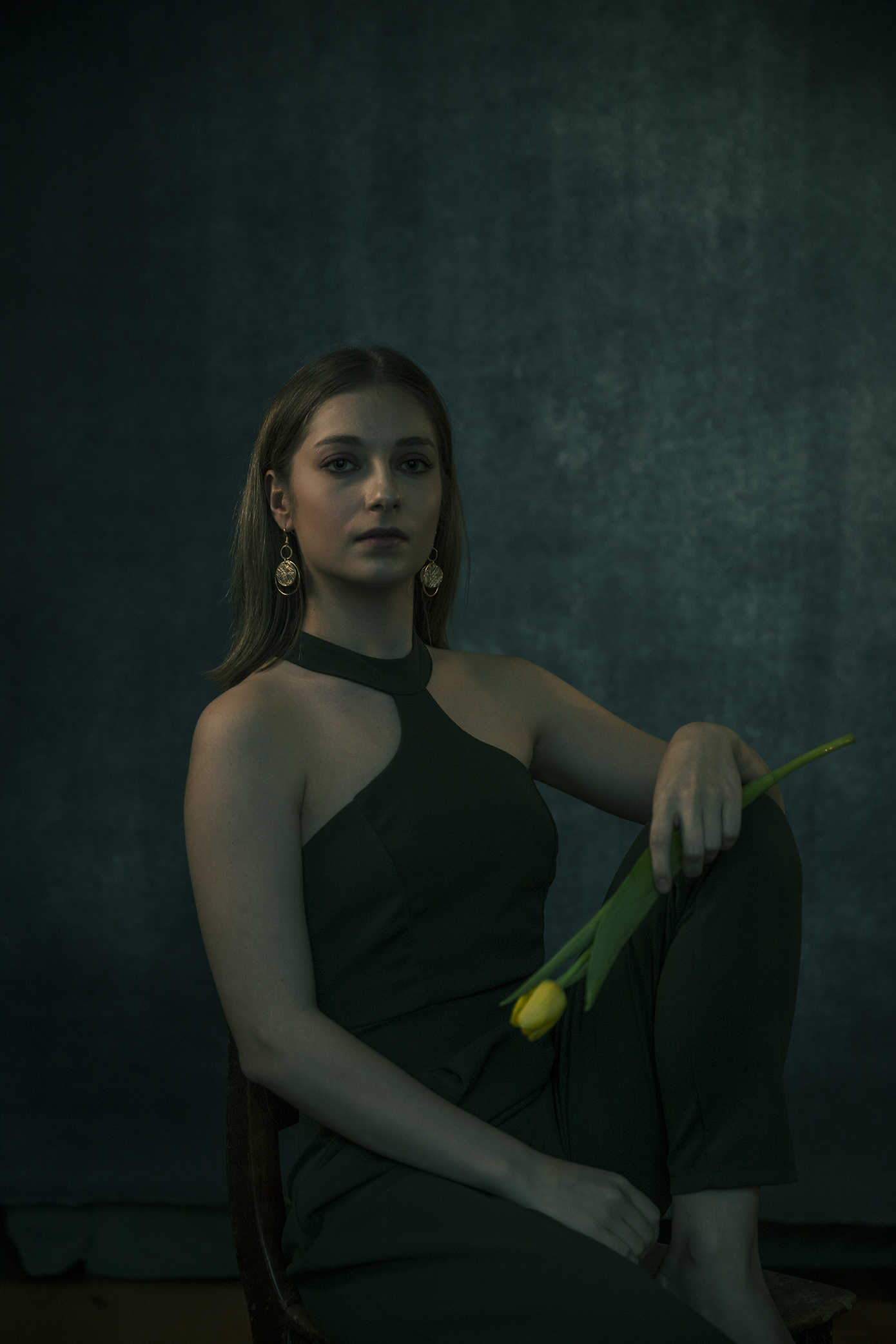
Masters of Light: Evely Duis
commercial
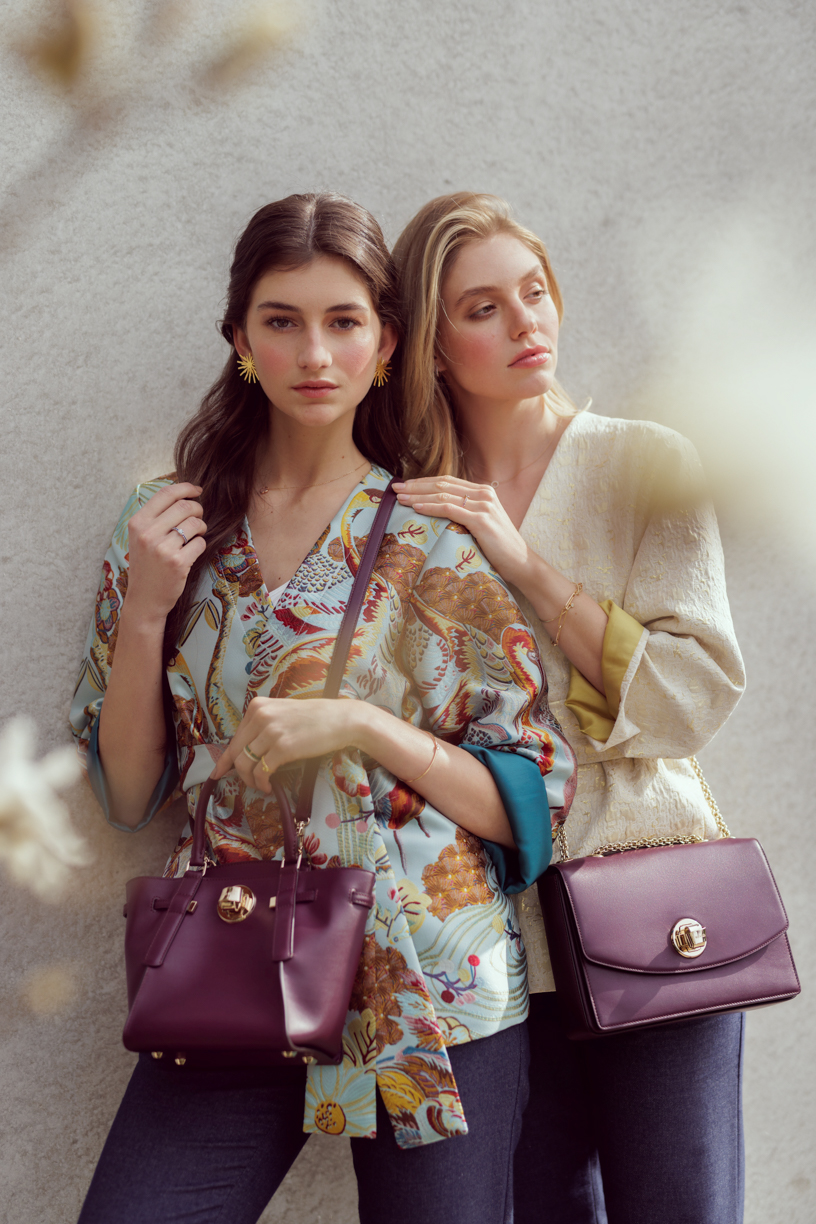
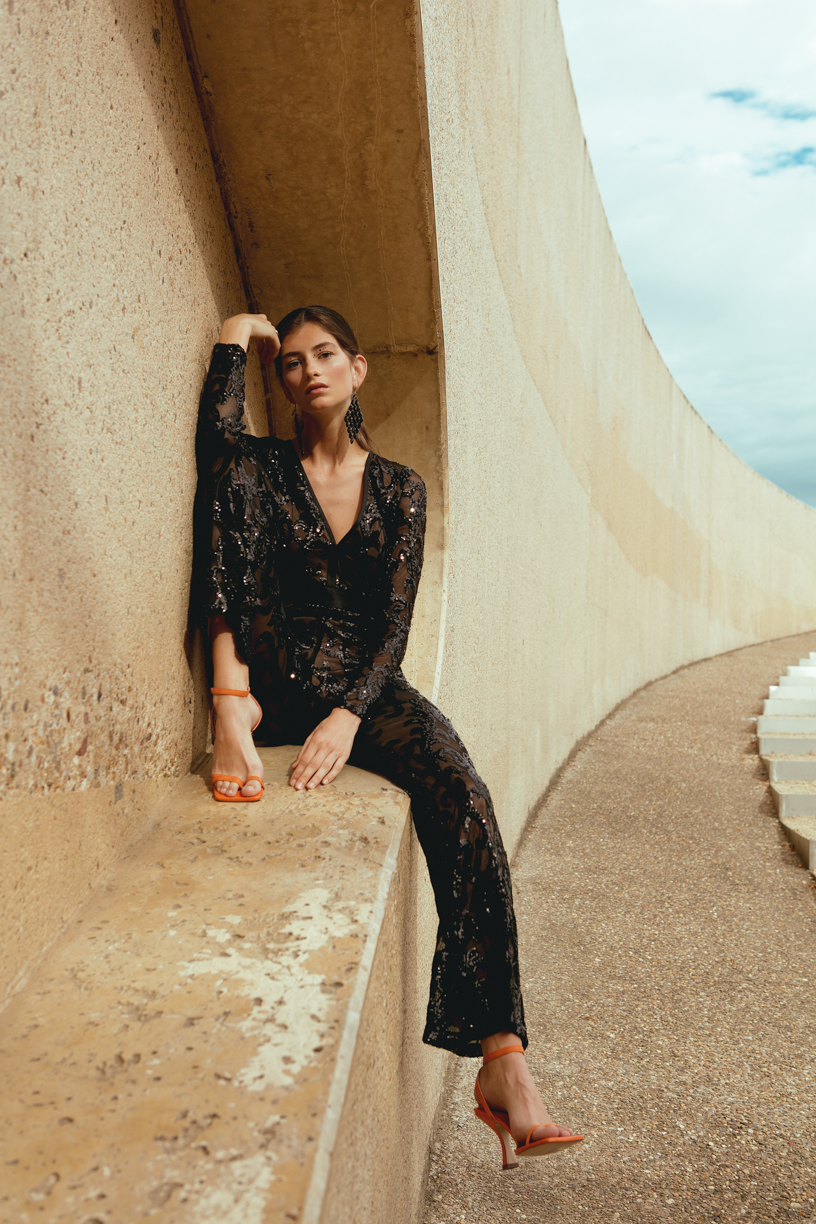
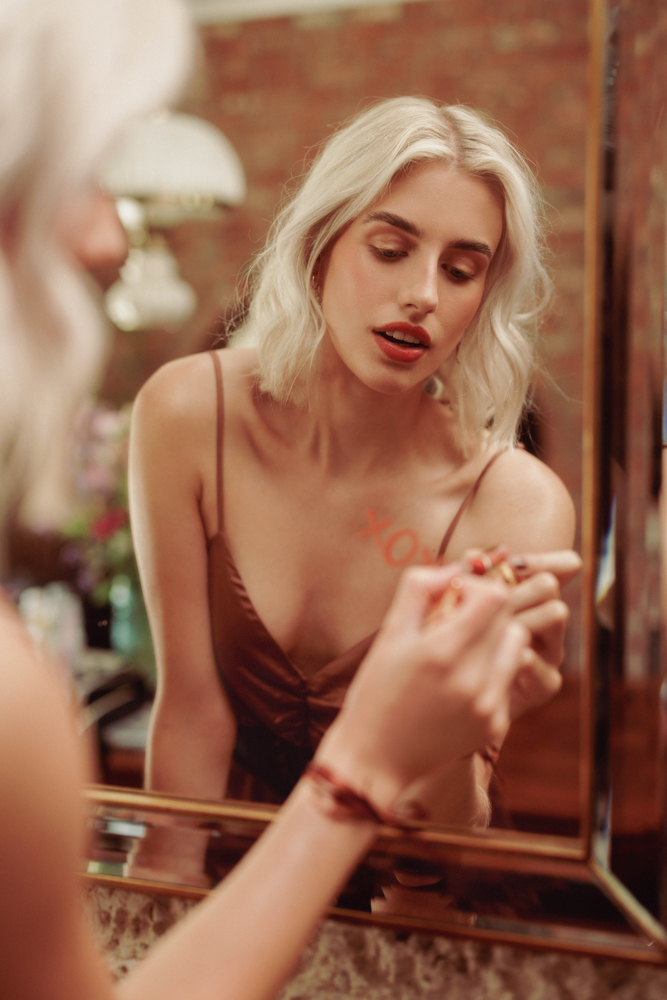
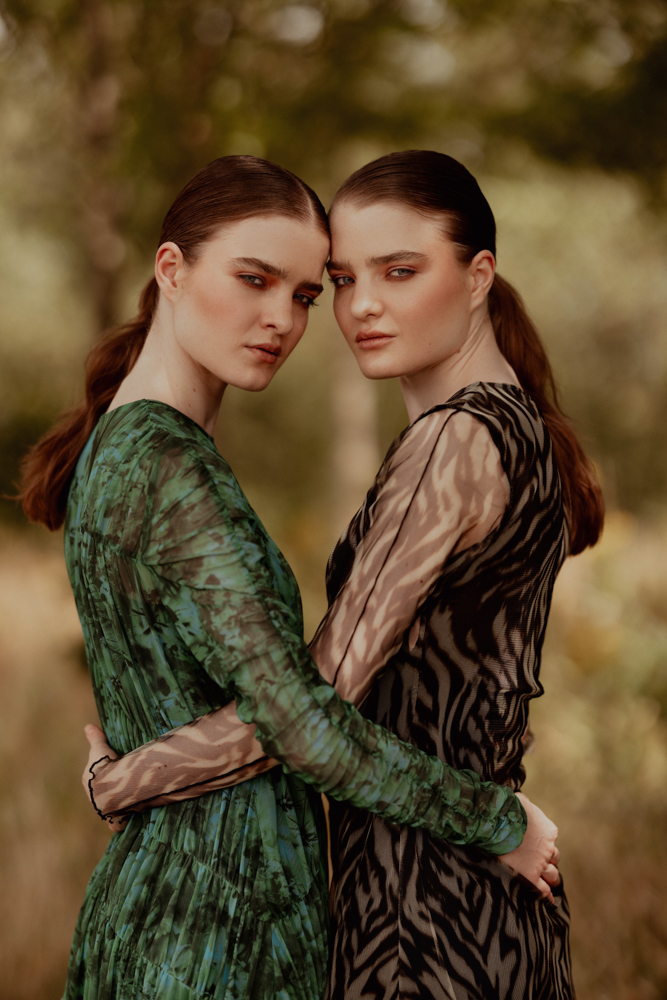
Evely Duis is a fashion and portrait photographer from the Netherlands. With more than a decade of professional experience, Evely creates images where fashion, atmosphere, color and emotion become part of the same visual language. Her work is deeply concept-driven: every shoot starts from an idea, but it is shaped through collaboration, connection with the model and a strong personal vision. For Evely, photography is not just about creating a beautiful image, but about putting a piece of herself into every frame.
What is your main field in photography?
I’m a fashion and portrait photographer from the Netherlands. My work is centered around fashion, beauty, portraits and creative concepts, but for me fashion is much more than the clothes I photograph. It is a complete visual world made of styling, mood, color, personality and emotion. Fashion inspires me in many different ways, and I use it as a starting point to create images that feel personal, expressive and full of atmosphere.
When I plan a shoot, I always start from a concept. I don’t just want to recreate an image I’ve seen somewhere else. I want to make it my own, to put a little bit of my heart and soul into it. The final result should not simply be a pretty picture, but an image with a vision behind it, something that reflects both my creative direction and the energy of the people involved.
What equipment do you use?
My equipment is chosen to give me freedom, control and flexibility on set. I work with professional camera gear suited for fashion and portrait photography, but light is the element that really defines the look of my images. For me, light is the most important part of photography. Without light, there is no photograph. It is the first ingredient and the tool that allows me to build the atmosphere, the colors and the balance of the image.
In my workflow, continuous light has become extremely important because it allows me to shoot both still images and short video fragments on the same set. I like to create what I call moving stills: short, atmospheric pieces that feel like an extension of the photograph. With Maxima, I can move smoothly between photo and video without changing the mood or rebuilding the setup.
Which Maxima products have you used?
I use Maxima lights as part of my creative workflow because they give me the control I need over both light and color. With Maxima, I can place light wherever I need it, shape the mood directly on set and keep the same atmosphere when switching from photography to video. This versatility is especially important for fashion work, where the world of the image has to feel coherent, intentional and visually strong.
Maxima helps me create a strong RAW image directly in camera. I know I can correct many things in Photoshop, but because I have that technical knowledge, I prefer to solve the puzzle before editing. I want the light, the colors, the skin tones and the mood to already be as close as possible to the final image while I am shooting.
Can you tell us a little more about your preferred lighting strategy?
My lighting strategy always starts from the atmosphere I want to create. I like to have full control over the light, but I don’t use light only to illuminate the subject. I use it to build the world of the image. The mood, the colors, the balance and even part of the color grading begin directly on set, with the lights I choose and the way I use them.
People often think that I do a lot of Photoshop in my work, but most of the time the atmosphere is already there in the RAW file. I create it with light, with colors, with the styling and with the relationship between the model and the set. For me, color grading does not begin in post-production. It begins while shooting.
The connection with the model and the team is also essential. A photograph is not only something I take by myself; it is a collaboration. The model, styling, makeup, light and concept all have to work together. When the light is right, everyone can feel the mood of the image, and that helps the model and the whole team enter the atmosphere we are creating.
What are the characteristics of Maxima that you enjoyed most?
What I enjoy most about Maxima is the versatility. It gives me the possibility to shoot photo and video on the same set, with the same lighting mood and without interrupting the creative flow. I don’t only shoot photographs; I also create short video fragments, almost like moving stills. Working with continuous light opens a new perspective on photography and allows me to give my clients more complete visual content.
I also appreciate the control Maxima gives me over color. Color is very important in my work, and I want my RAW image to already feel strong, balanced and intentional. With Maxima, I can trust the quality of the light, the skin tones and the colors. It helps me create the atmosphere directly while shooting, so I don’t have to rely too much on post-production to make the image work.
For me, Maxima is not only a technical tool. It is part of the creative process. It helps me work faster, stay flexible, and keep the visual world of the shoot consistent from stills to motion.
What advice would you give to photographers who are developing their own style?
The best advice I can give to new photographers is to create. Create a lot, and really look at what you are doing. Don’t be satisfied too quickly, but also don’t be afraid to make work that may not belong in your portfolio. Even when something is not perfect, it can still be a valuable lesson.
I hope every photographer finds, or continues to develop, their own style. Create not only for clients, but also for yourself. Keep passion in your work, keep your own vision alive, and use that vision to inspire others.

Evely Duis
Where? The Netherlands
When? Since 2015
What? Fashion photography
Favourite equipment? Maxima 6 – Maxima Rapida – Canon R5





Masters of Light: Stefania Dobrin
commercial
Stefania Dobrin is a Cuneo-based photographer specialising in new-born, children and couple photography. Since 2016, Stefania has specialized in newborn, maternity, and family portraits. Her work is all about capturing real feelings and moments, those little details that become tomorrow’s most precious memories.
What is your main field in photography?
I specialize in children’s portraiture—with a focus on newborns, maternity, and family sessions. For the past ten years I’ve built my work around authenticity: real expressions, real gestures, and those tiny details that become a family’s most cherished memories. Working with children feels natural to me—their spontaneity and playfulness set the rhythm of every shoot—so I design each session to be calm, simple, and honest, letting personalities emerge without pressure. Light is my language: I favor soft, natural-looking setups that keep babies comfortable and help parents relax, while still giving me the control to shape mood and highlight emotion. Increasingly, I also capture short video moments alongside the photos, so families can remember not just how a moment looked, but how it felt.
What equipment do you use?
I work with Nikon Z6 cameras paired with a 50mm and 100mm large aperture lenses, alongside a selection of others, including some wider lenses. In the studio, I have switched completely to Maxima, using the Maxima Furiosa with the Profoto® adapter to quickly mount the many Profoto® accessories I have, using them even more proficiently than I used to do with flashes. I also rely on the Maxima Rapida both in the studio and during outside shootings.
Which Maxima products have you used?
I use the Maxima Rapida both indoors and outdoors for its waterproof lightweight design and versatility. The Furiosa delivers a powerful 80,000-lumen output with a full colour range from 2600–6800K and can also be powered outdoors using a third-party battery.
Can you tell us a little more about your preferred lighting strategy?
I build my light around comfort, authenticity, and control. For newborns and small children I keep things simple: one large, diffused key at about 45° to the face, slightly above eye level, and a white reflector on the shadow side for a soft 1:2 or 1:3 ratio. I feather the key across the subject rather than pointing it straight on—this keeps skin tones gentle and preserves texture without harsh hotspots. If I need a touch more shape, I add negative fill (a black flag or V-flat) rather than cranking contrast with harder light.
I almost always work with continuous, soft light so kids stay calm and parents see the mood in real time. With Maxima Rapida I can dial CCT to match the room (tungsten lamps, window light, or mixed ambient) and fine-tune output in tiny steps. For sleepy newborns, I keep intensity low and place the source high and slightly behind to feel natural and non-intrusive; for energetic toddlers, I lift the overall key for a brighter, high-key look that suits their pace. I’ll often bounce off a wall or scrim for extra wrap, and bring in a subtle hair/background lift only if it serves the story.
Because the setup is quiet and ballast-free, I can switch to video at any moment to capture micro-interactions—hands, smiles, hugs—without stopping the flow or rebuilding the light.
What are the characteristics of Maxima that you enjoyed most?
What I appreciate most about Maxima is how naturally it fits children’s portrait work: the light is soft, even and beautifully clean on skin, so I don’t have to fight color shifts or harsh hotspots. The wide bi-color range and fine, stepless dimming let me match whatever ambient I find—window light, tungsten lamps, mixed rooms—without stopping the session. It’s also quiet and cool, which is essential around newborns; babies stay calm, parents relax, and I can work closer with large diffusers without heat or noise becoming a distraction.
Day to day, the battery power and ballast-free design make a big difference: I can move the light from one corner to another in seconds, keep my footprint small, and follow the energy of the family instead of rearranging gear. I also love to use the instant photo-to-video switch on my camera—one tap and I’m capturing short clips in the same setup, which adds so much value for clients. This pairs extremely well with the high-quality light from Maxima and basically gives you a finished result out of camera. Finally, the fixture plays nicely with my favorite modifiers, feels robust, and is consistent from session to session, so I spend less time tweaking and more time focusing on the emotions that matter.

Stefania Dobrin
Where? Cuneo
When? Since 2016
What? Children’s photography
Favourite equipment? Maxima Furiosa – Maxima Rapida – Nikon Z6


Masters of Light: Soulla Petrou
commercial
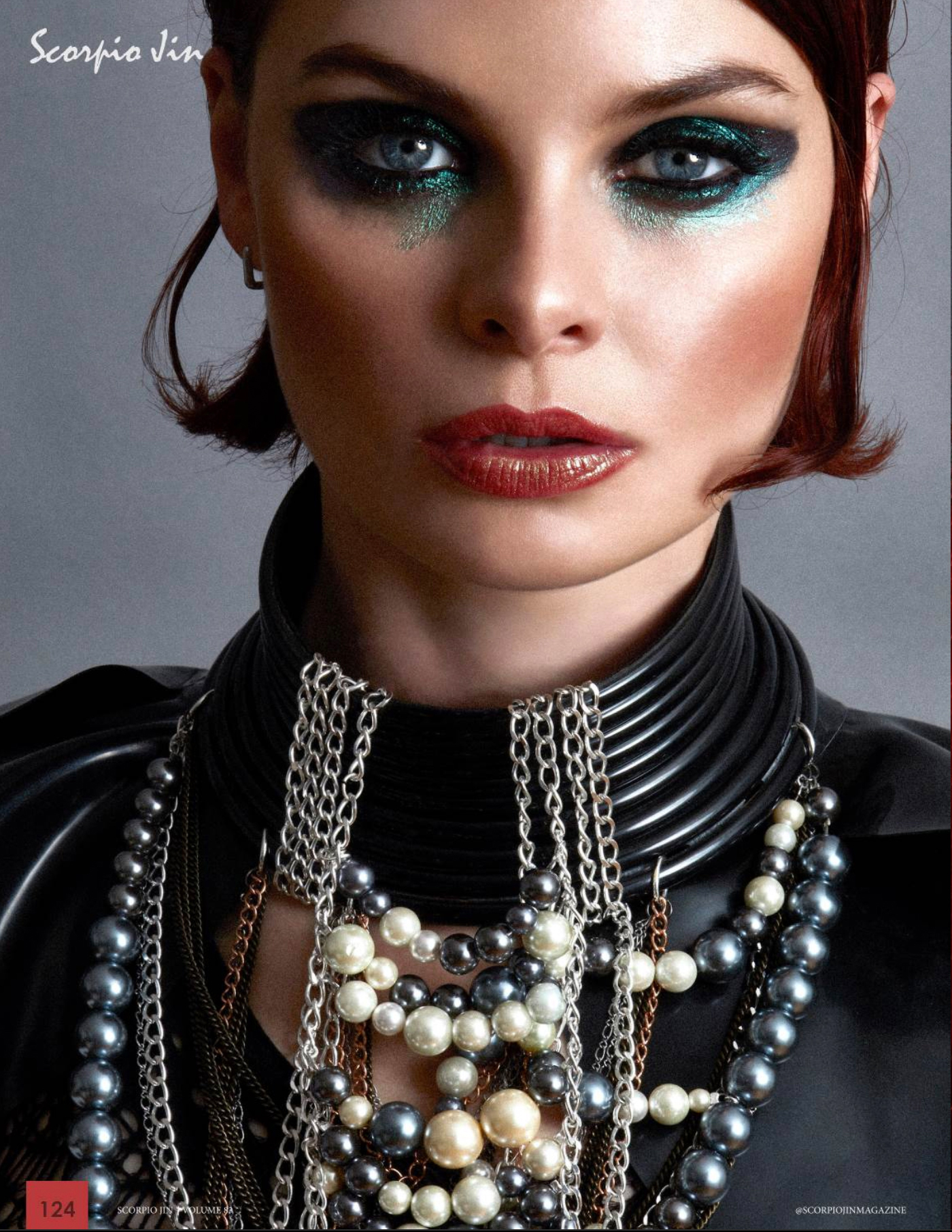
Soulla Petrou is a London-based photographer specialising in beauty, fashion and portraiture. For more than 30 years she has helped brands and talent stand out with evocative, contemporary imagery that translates client concepts into elegant, precision-crafted visuals. Her background includes over two decades in the music industry, where she created a large archive of iconic portraits and live imagery, culminating in her debut book, Rewind – Journey of a Music Photographer. Soulla is also an accomplished retoucher with 24+ years of experience on both her own work and assignments for other photographers and beauty–fashion brands, ensuring end-to-end creative control and consistency on every project.
Soulla was shortlisted for the Taylor Wessing Portrait prize in 2025 and her work was exhibited at the National Portrait Gallery. Her photography has also been acquired by the V&A for its permanent collection, with inclusion in a joint exhibition taking place this April 2026. Her music portraits earned her third place at the International Photography Awards in 2008, and she was featured in The World’s Top Photographers – Celebrity & Performance, published in 2009. Today, Soulla continues to work primarily within advertising.
What is your main field in photography?
My main field in photography is beauty, fashion and portraiture.
My practice centres on capturing clean, elegant, and expressive imagery, with a strong emphasis on facial detail, skin texture, and individual character. Working across both editorial and commercial projects, with a thoughtful approach to lighting and composition. Through portraiture, I like to explores personality and emotion, to bring depth and authenticity.
What equipment do you use?
For most beauty shoots, I work with Canon 5D Mark IV cameras paired with a 100mm macro lens, alongside a selection of other lenses, including extreme wide angles for fashion and portrait work. In the studio, I use Bowens Flash 1000 lighting, complemented by the Maxima Furiosa with a Bowens attachment ring, allowing full compatibility with my existing Bowens accessories. I also rely on the Maxima Rapida both in the studio and on location, even in challenging weather conditions.
Which Maxima products have you used?
I use the Maxima Rapida both indoors and outdoors for its waterproof lightweight design and versatility. The Furiosa delivers a powerful 80,000-lumen output with a full colour range from 2600–6800K and can also be powered outdoors using a third-party battery.
Can you tell us a little more about your preferred lighting strategy?
My preferred lighting strategy focuses on soft, controlled light that enhances natural skin texture and facial structure. I often use clean, directional lighting to sculpt the face while keeping the overall look polished and elegant, which suits my work in beauty, fashion, and portrait photography.
My lighting tends to be minimal rather than overly dramatic, allowing the subject to remain the main focus, with careful attention to highlights, shadows, and balance to create a refined, timeless aesthetic.
What are the characteristics of Maxima that you enjoyed most?
I value the versatility and precise control that Maxima LED Lighting offers. The ability to shape and soften the light allows me to create flattering illumination with real accuracy, which is essential for beauty and portrait work. In beauty and fashion photography—where skin tones and makeup details must appear natural and true to life—the consistent, accurate colour rendering is especially important to me.
After 30 years of working predominantly with flash, switching to continuous lighting has been transformative. Being able to see exactly what the light is doing in real time, makes adjustments to intensity and positioning intuitive and efficient. With Maxima LED, lighting can be adapted quickly on set, keeping the creative flow uninterrupted. Compared to flash, shooting is also much faster, as there’s no need to wait for recycle times—ensuring moments aren’t missed.
Another major difference for me is the quality of softness achievable with continuous light. It’s almost like having a ball of beautiful sunlight inside the studio. Maxima lighting also allows me to shoot both video and stills seamlessly, which is increasingly essential in today’s market where photographers are often expected to deliver both.
The Maxima Rapida’s adaptability is another key feature. It can be used outdoors with a V-mount battery and is fully waterproof,—an invaluable advantage on location. Added to this, Maxima LED lights are lightweight, portable, and easy to set up, making them practical for both studio and location work. Their energy efficiency and low heat output also improve comfort on set, particularly during longer sessions, creating a better working environment for both the subject and myself.

Soulla Petrou
Where? London
When? Since 1994
What? Fashion photography
Favourite equipment? Maxima Furiosa – Maxima Rapida – Canon 5D Mark 1V




Masters of Light: Roberto Sammartini
commercial
Roberto Sammartini is a renowned food and still life photographer based in Varese, Italy. With a unique mix of culinary expertise and photographic precision, his studio is part kitchen, part creative lab—designed to craft the kind of iconic images that define major packaging campaigns. Known for his obsessive attention to detail and ability to turn everyday ingredients into striking visual statements, Roberto is a master of shaping light to build emotion, composition, and narrative around food.
What is your main field in photography?
My work revolves around food and still life photography, especially for packaging and advertising. In this field, the image isn’t just an illustration—it becomes an icon. Whether it’s a fruit on a yogurt label or a dish in a cookbook, that image must carry emotion, precision, and crave-appeal. It’s not about showing food, it’s about elevating it to something symbolic.
What equipment do you use?
Over the years, I’ve developed a highly customized studio. It’s equipped not only with cameras and modifiers, but also with a fully functional kitchen and tools to interact with food directly. I started with flash lighting, but now I blend flash and continuous light—using whichever best serves the creative and compositional goal. That mix has been a breakthrough in my process.
Which Maxima products have you used?
The Maxima Furiosa quickly became my go-to light. It offers everything I need: power, control, and most importantly, a quality of light that feels made for professionals like me. It’s not just a fixture—it’s a tool designed by people who understand the real needs of image-makers.
Can you tell us a little more about your preferred lighting strategy?
Lighting in food photography is decisive. It determines whether an ingredient looks fresh or flat, desirable or dull. With Maxima, I can sculpt light precisely. One key technique used in food photography is back-lighting/rim-lighting, to separate subject from background: light from the back can then be bounced off to illuminate the front of the subject without making it flat. Side lighting might then be added to create a grazing-light effect that enhances textures… and really invite you to eat the photograph! But food photography is also caring about the setup and ingredients: when I worked on the Müller campaign, for example, I had an entire kitchen full of strawberries—but only one was good enough to be “that” strawberry. “That” strawberry is more than an ingredient, it becomes an icon and as such should be treated!
What are the characteristics of Maxima that you enjoyed most?
The Furiosa impressed me from the start. The build quality, the power, the lens—everything feels like it was designed with serious photographers in mind. You can tell there’s a user-centric philosophy behind Maxima. It’s reliable, intuitive, and elevates the quality of my work. When I’m in the middle of a high-pressure set, I need a light that doesn’t just perform—it empowers me to do my best work, fast.

Roberto Sammartini
Where? Varese
When? Since 1999
What? Food photography
Favourite equipment? Maxima Furiosa – Phase One XF IQ4 150MP


Masters of Light: Silvia Steinbach
commercial
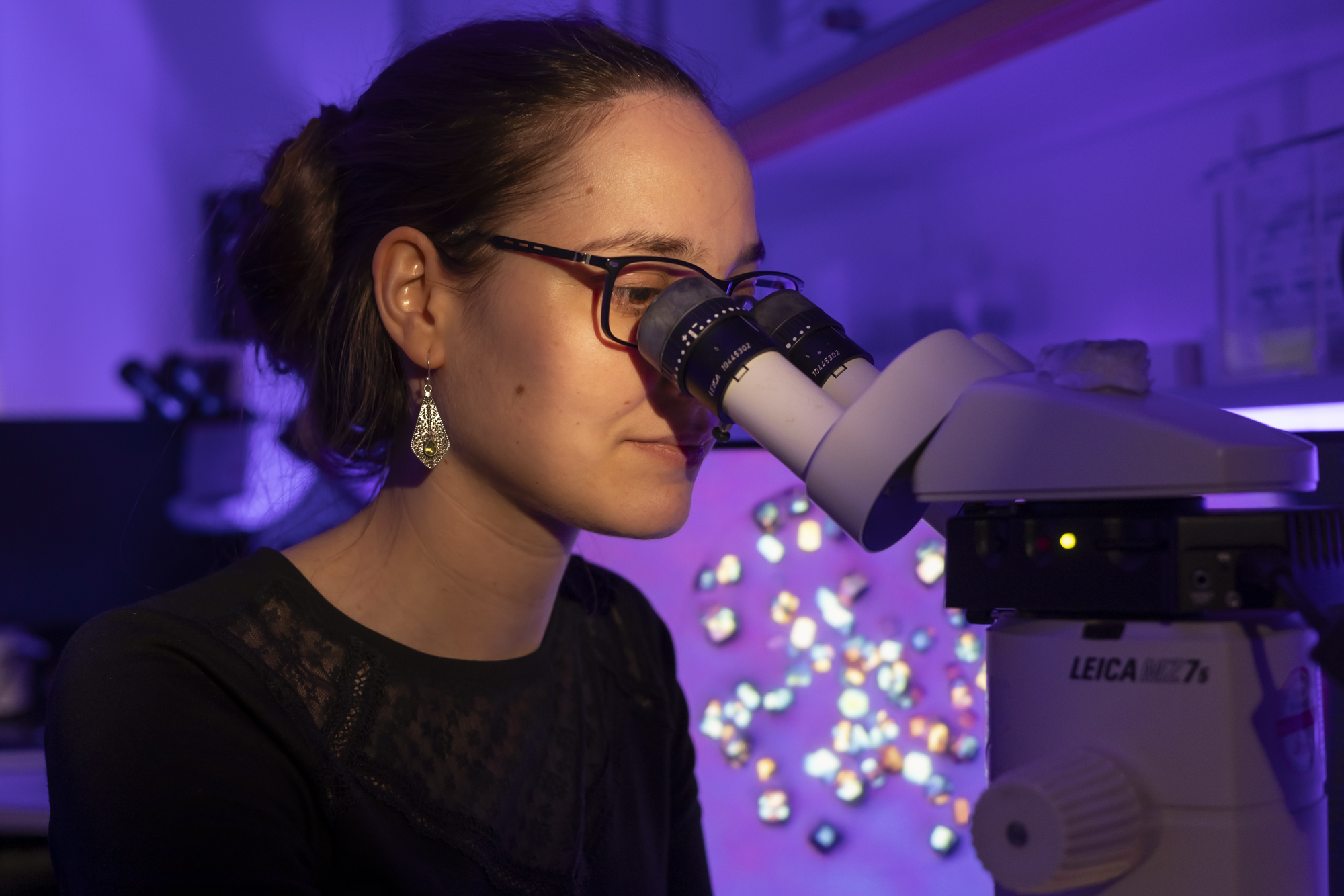
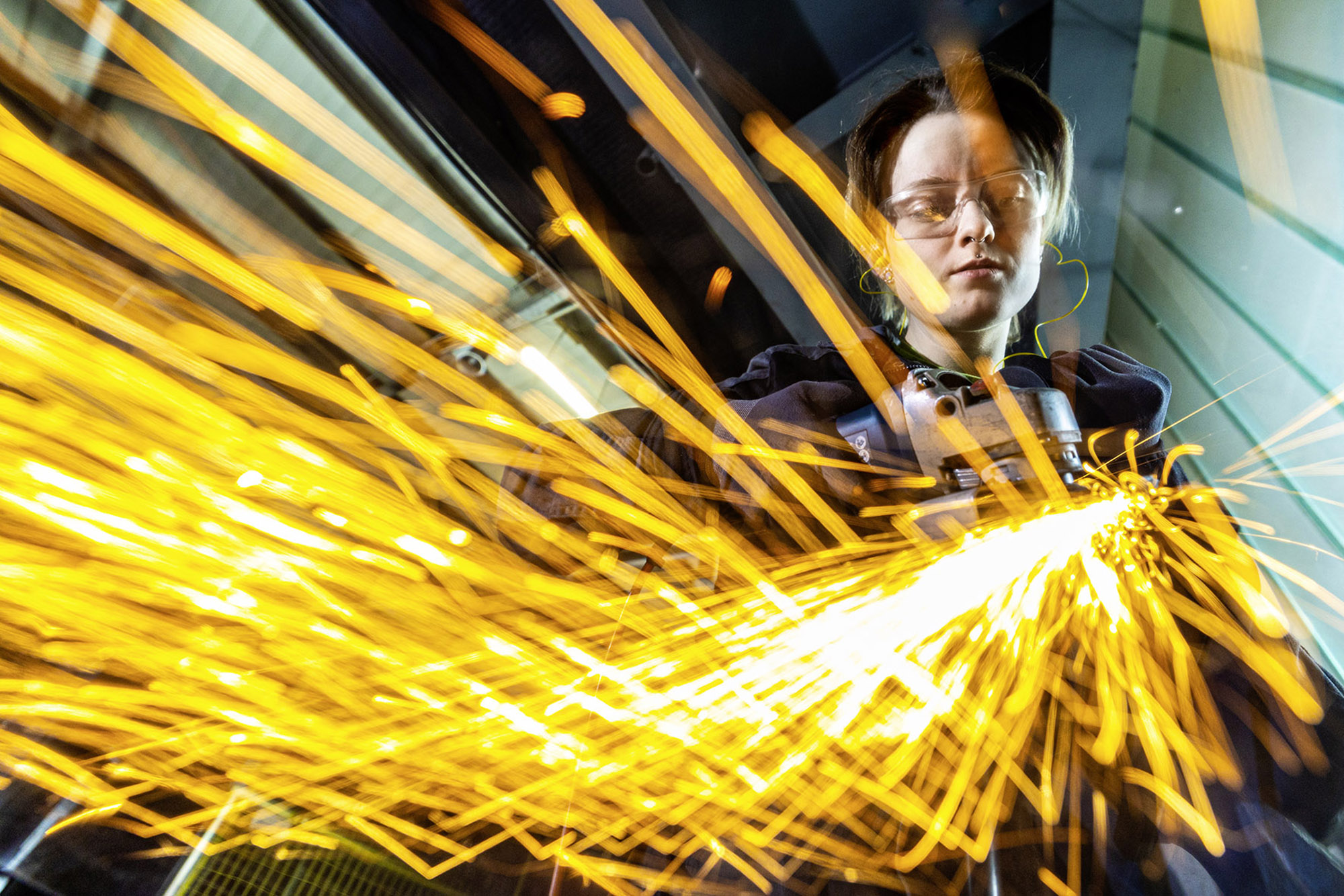
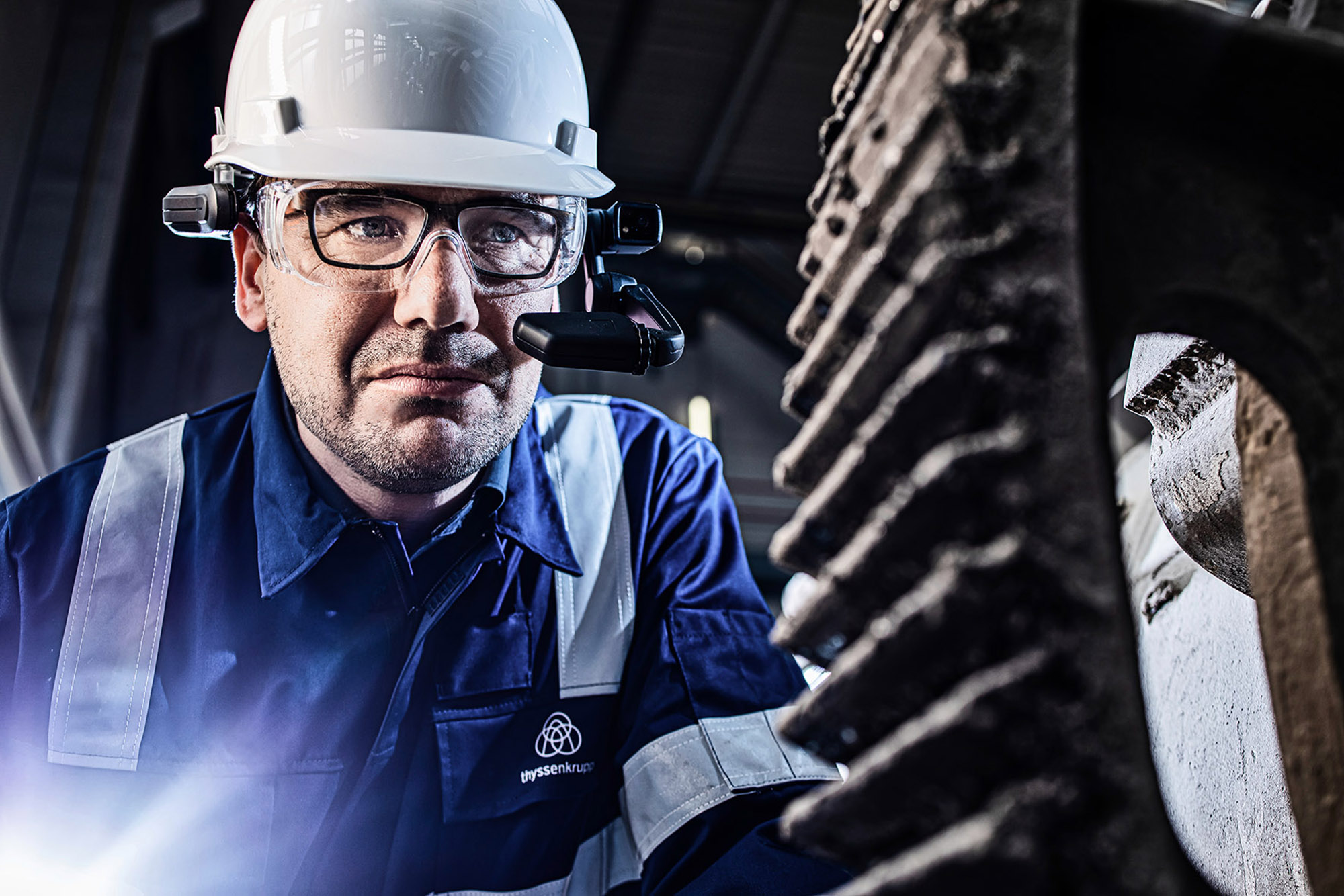
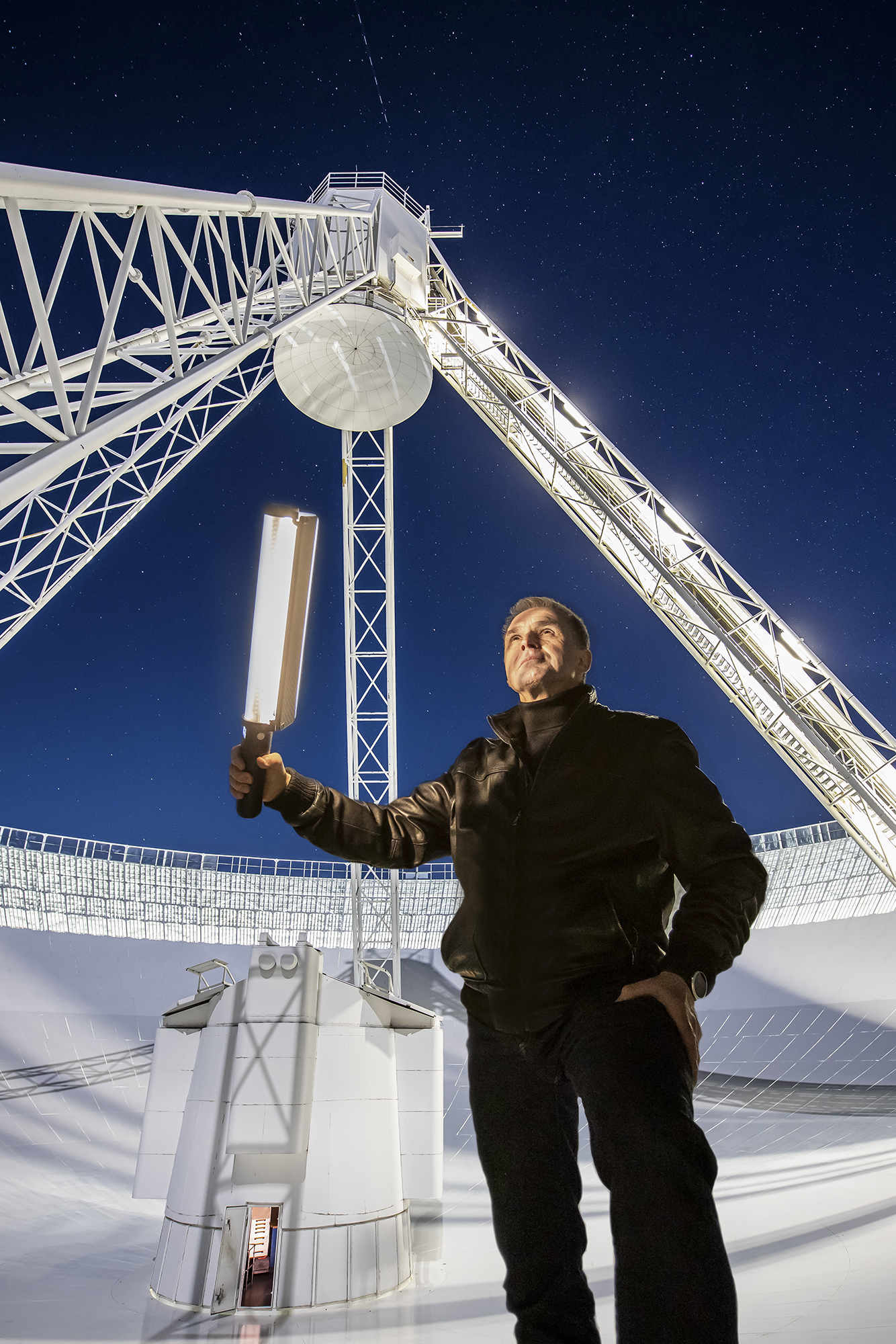
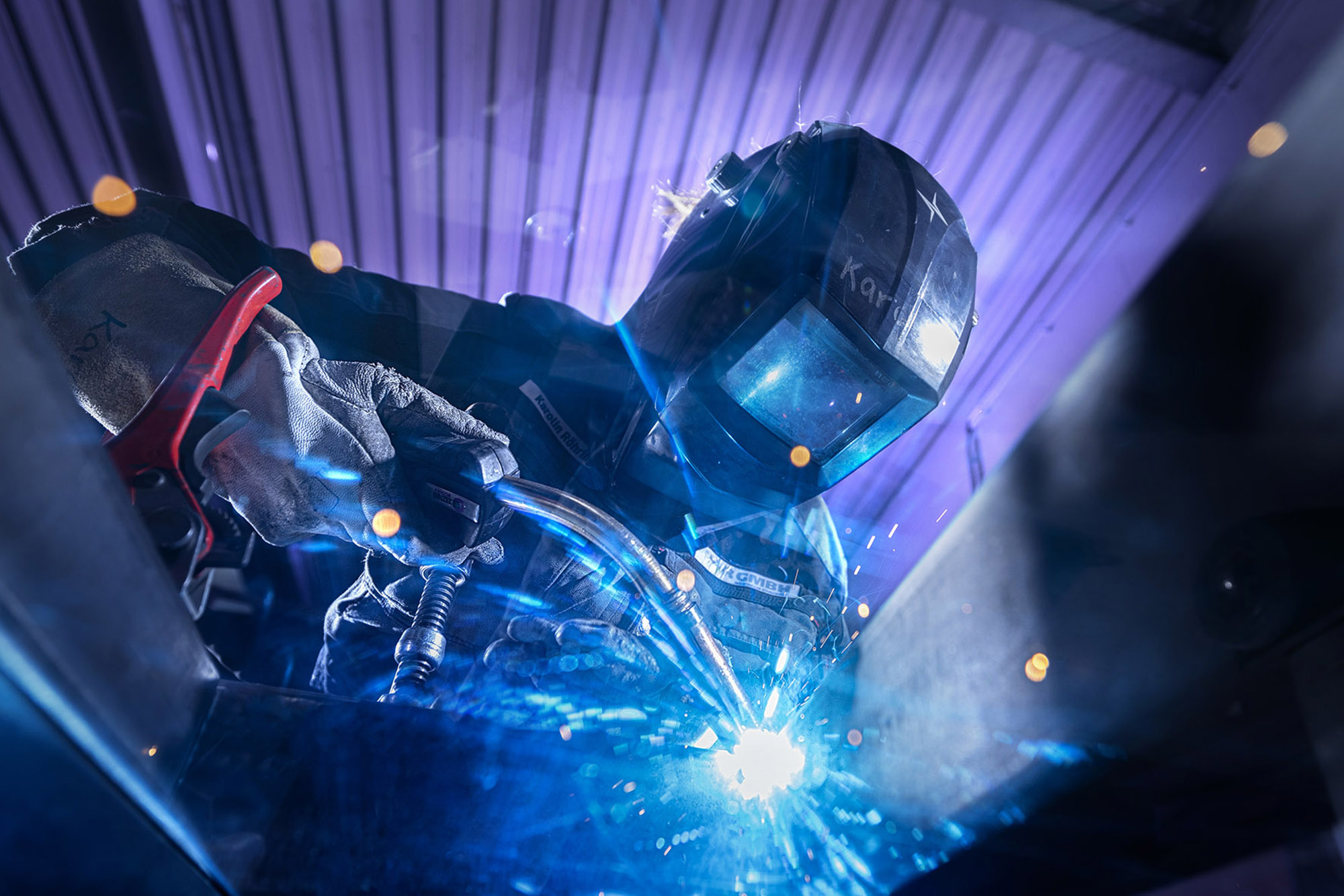
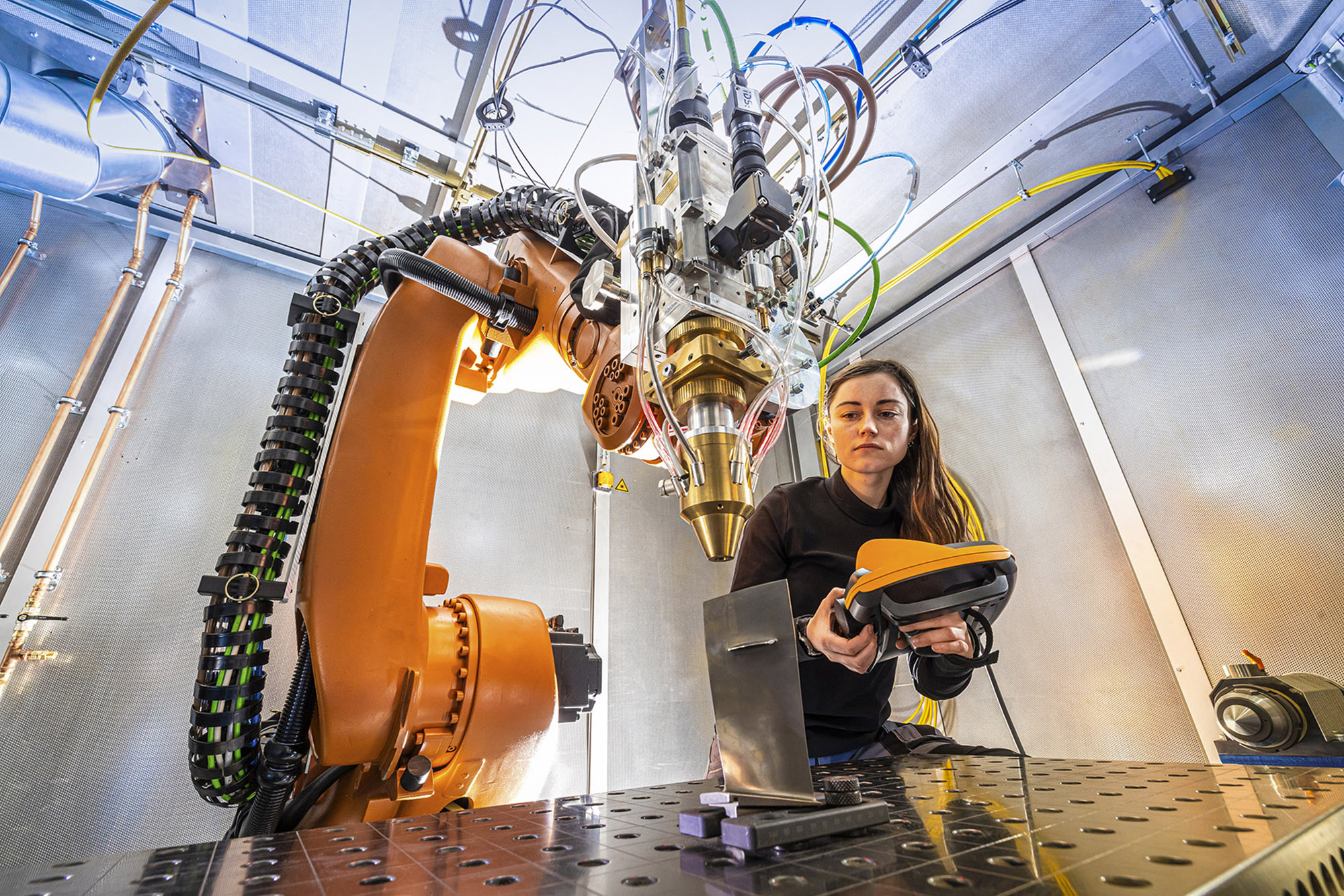
Silvia Steinbach is a scientific and industrial photographer based in Lower Saxony, Germany. After studying photo design in Dortmund, she launched her freelance career in 2005 and has since worked with scientific institutes and industrial companies across Germany and internationally. Her mission is to make complex technologies and processes visually accessible. With a precise technical approach, masterful control of light, and a sharp eye for detail, Silvia creates images that are both informative and visually impactful.
What is your main field in photography?
I work exclusively for scientific institutes and industrial clients. My focus is on revealing the unseen—turning complex technologies and processes into compelling images. Light is my most important tool. It defines whether an image simply documents, or truly communicates. That’s exactly why I get hired: to use light in a way that clarifies and elevates the subject matter.
What equipment do you use?
I work with the Canon R system, primarily the R5, paired with a set of fast prime lenses ranging from 14 to 200 mm. My lighting kit includes a balanced mix of flashes (100–600 W) and continuous lights of various sizes and intensities—giving me full control on any set.
Which Maxima products have you used?
I regularly use the Maxima Furiosa (800 W) and the Maxima Rapida (200 W with battery). These fixtures have become an integral part of my workflow, both in studio and on location.
Can you tell us a little more about your preferred lighting strategy?
In industrial and scientific photography, lighting is everything. Even small changes can dramatically alter how a subject is perceived. That’s why I rely heavily on continuous light—it allows me and my clients to see results in real time, speeding up the process without compromising quality.
With Maxima, I can quickly dial in the perfect look, adjusting color temperature between 2600K and 6800K on the fly. This flexibility is essential when I combine light sources—like using flash and continuous light together to visualize machinery in motion. Maxima lights give me the creative range and precision I need to work fast and stay focused.
What are the characteristics of Maxima that you enjoyed most?
Maxima stands out for two things: quality and reliability. The Furiosa delivers enough power for outdoor shoots while maintaining consistency. The Rapida is incredibly compact and lightweight, yet powerful—making it almost as intuitive to use as a flashlight. That’s a huge plus when I’m working on the move.
Maxima’s compatibility with a wide range of light modifiers gives me the freedom to shape my light exactly how I need it. And the build quality is top-notch. I often shoot in harsh industrial environments, and Maxima lights have proven to be as tough and dependable as I need them to be.

Silvia Steinbach
Where? Bremen
When? Since 2005
What? Industrial/Science photography
Favourite equipment? Maxima Furiosa – Canon R5






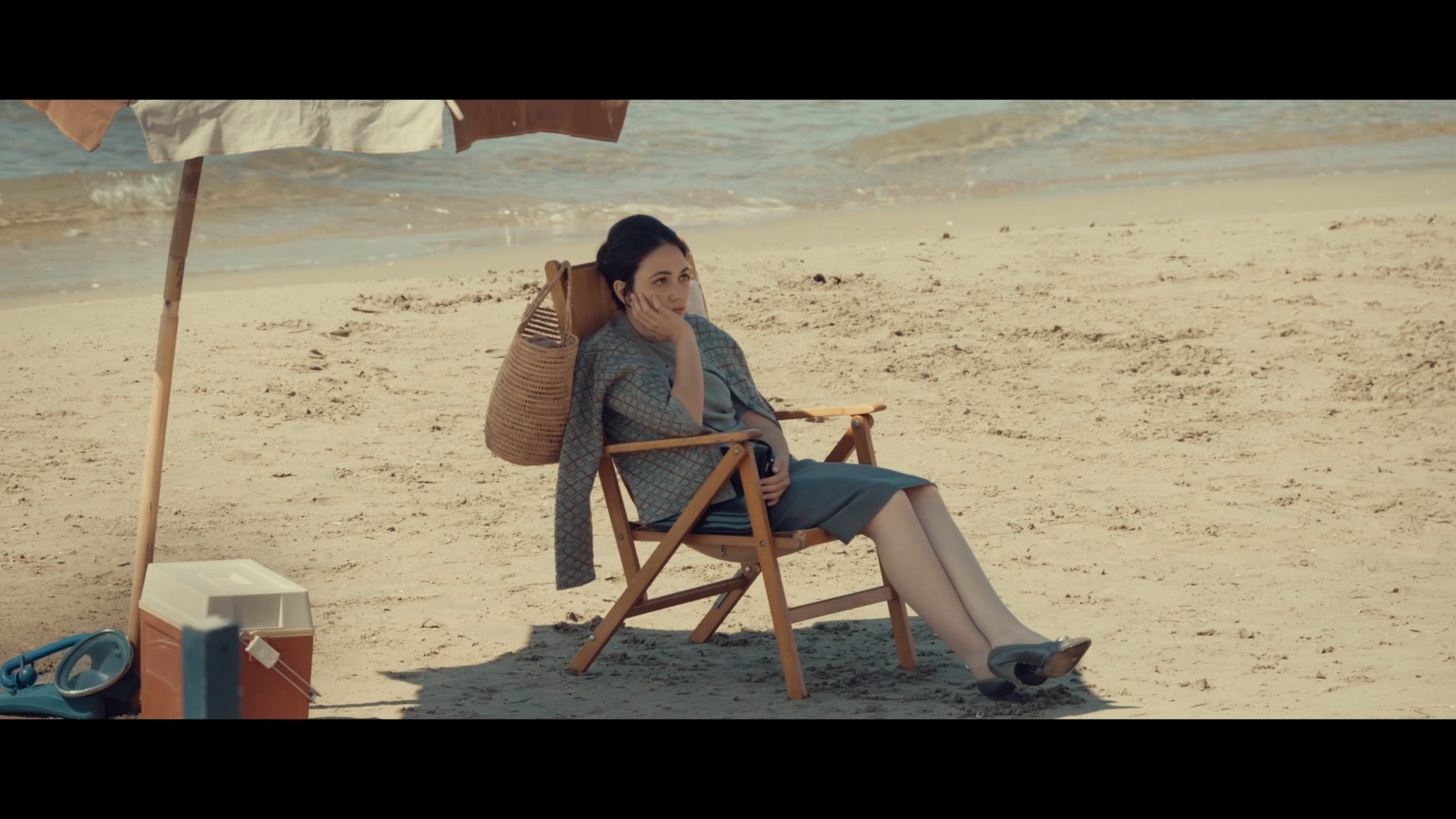
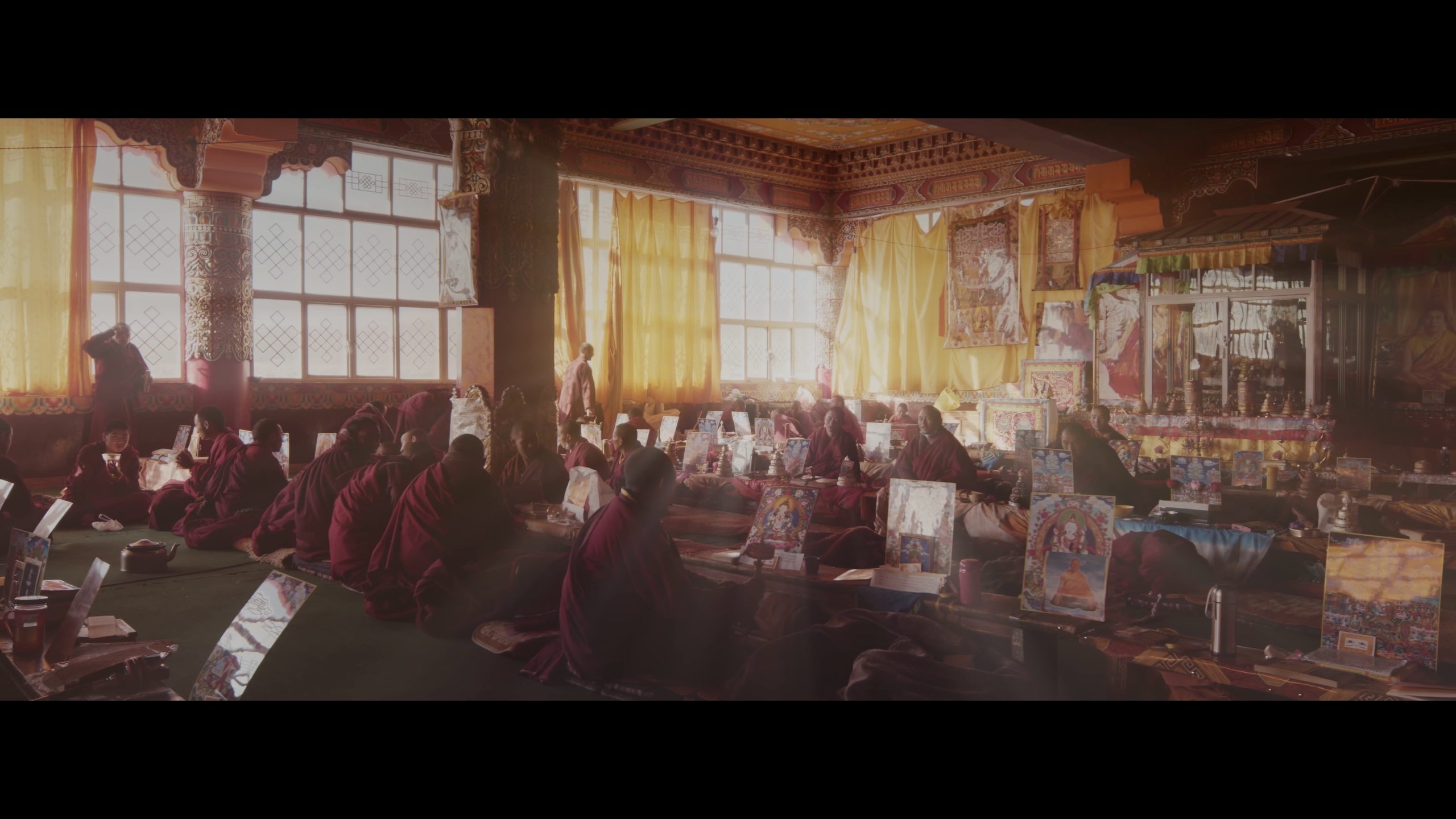
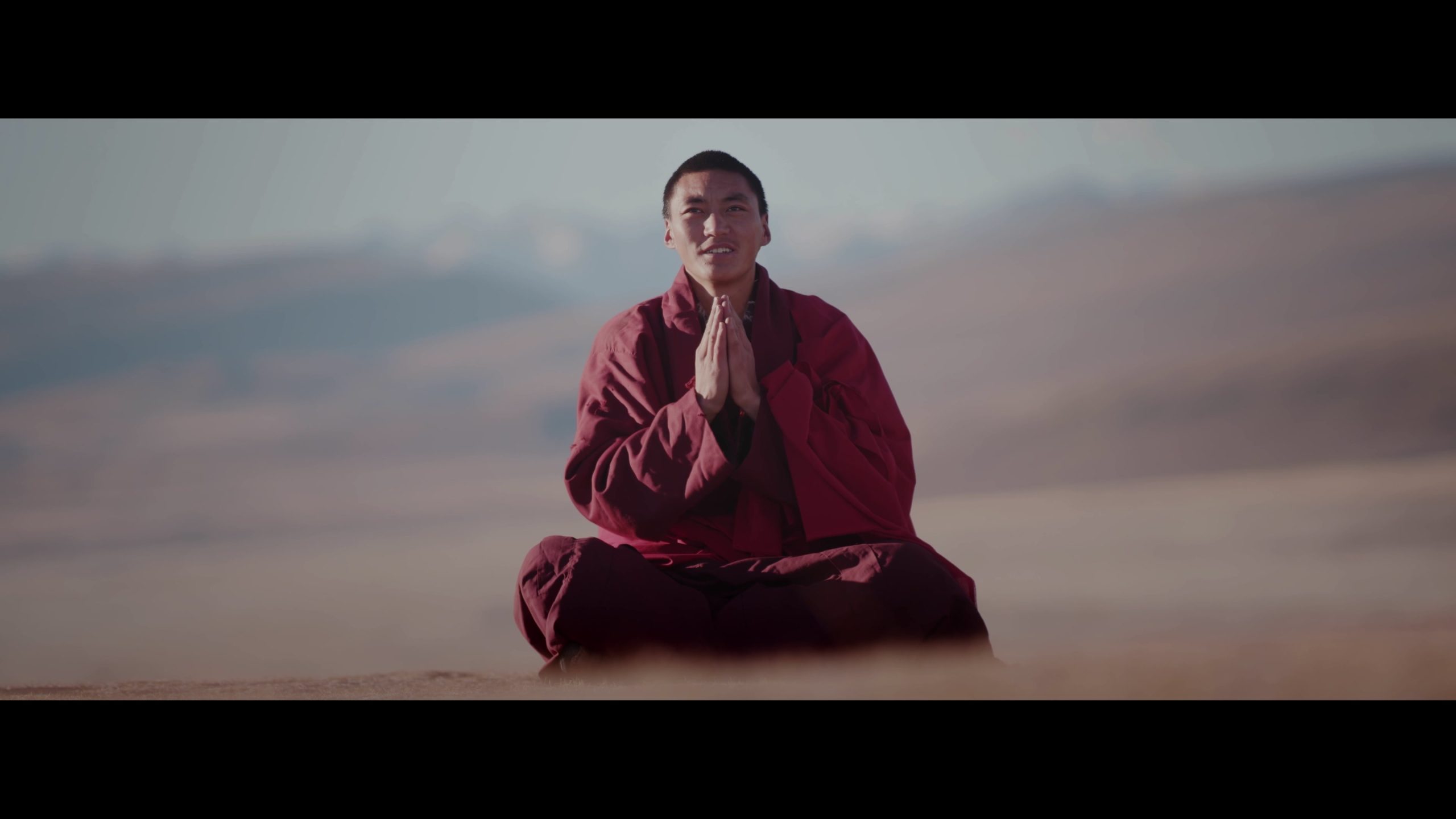
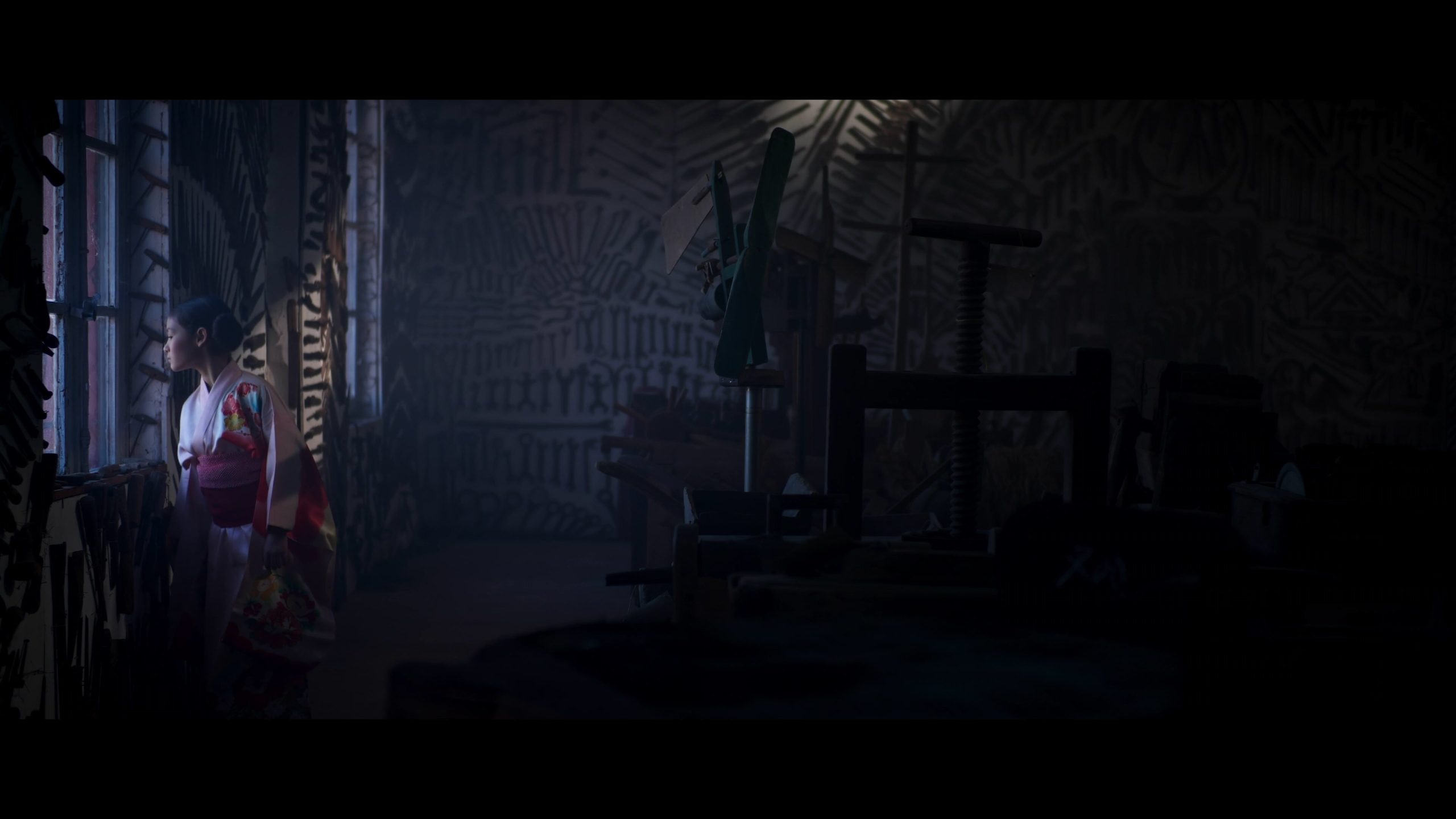
Masters of Light: Filippo Chiesa
commercial
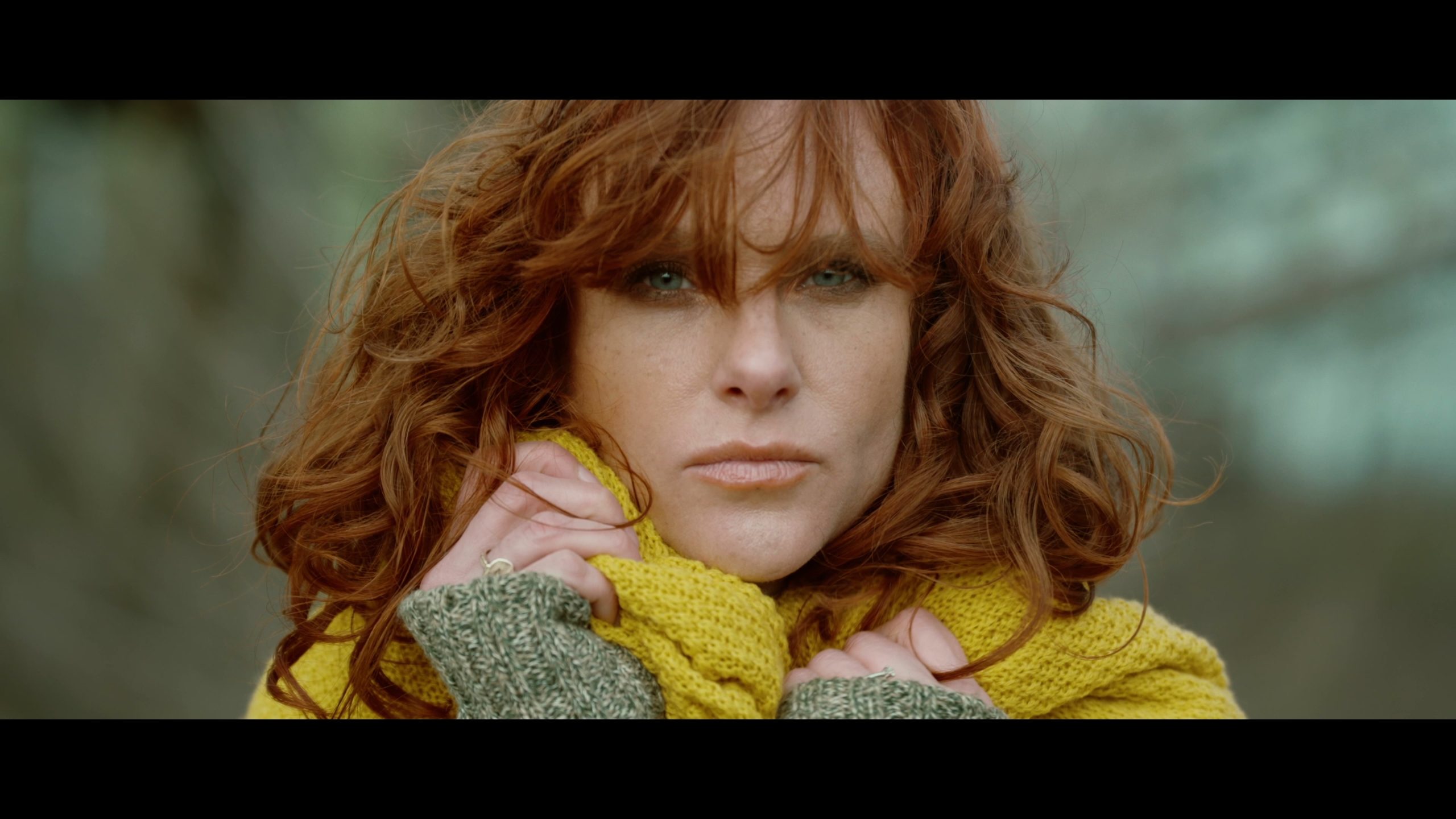
Hello everyone, my name is Filippo Chiesa. I was born in Parma, Italy, and for more than two decades I have worked as a cinematographer and director of photography, steering productions that blend poetic storytelling with state-of-the-art technology. I have extensive experience in shooting and color grading. I am part of the “Collettivo Chiaroscuro (CCS)”, the very new association of professional Italian cinematographers. I’m actively involved in both artistic and technical decisions on set. I seamlessly transitions between high-budget and low-budget productions.
In 2023, I was nominated for an Emmy Award in the “Outstanding Cinematography” category for the American series Italy Made With Love, which aired on PBS.
Although I’m not particularly enamored with technology for its own sake, I believe it is essential to be well-versed in what the market has to offer to best communicate my personal vision.
What is your main field in cinematography?
I focus primarily on documentary features, art-driven TV series and short branded narratives. These formats let me apply a “dramatic-yet-grounded” visual style: intimate enough for vérité moments, yet cinematic enough to hold up on the big screen. My comfort zone ranges from agile, one-person shoots in remote environments to orchestrating multi-camera, big-crew studio days.
What equipment do you use?
My kit is built around compact full-frame mirrorless bodies such as the Sony α1, paired with cine primes like the DZOFILM Arles to keep the rig nimble without sacrificing character. These cameras are for me the most versatile choice, even on feature productions, given their exceptional image quality, dynamic range, and the ability to move quickly without the overhead of bulkier cinema systems—perfect for adapting to the evolving pace and style of modern cinematography.
Which Maxima products have you used?
I travel with two Maxima 3 and have recently embraced the bi-color Maxima Furiosa as my main key light. This two-fixture combo covers almost every lighting scenario I encounter on documentary sets and small dramas.
Can you tell us a little bit more about your favorite lighting strategy?
My approach begins by identifying the scene’s natural or logical light source, then shaping it to heighten emotion. The Furiosa, blasted through half-grid or bounced off ultra-bounce, gives me a lush, wrap-around key while still holding a solid T-stop. A gelled Maxima 3—often spotted through its Fresnel—acts as a motivated edge or accent, adding three-dimensionality without calling attention to itself. Because both units are ballast-free, I can reposition them in minutes as blocking evolves.
What are the characteristics of Maxima that you enjoyed most?
Maxima fixtures deliver a rare combination of output, color purity and ergonomics. Their extra-silent, all-in-one design means no umbilical cables or external ballasts cluttering the floor, while CRI/TLCI values hover around 100 across the CCT range. The intuitive on-board interface and rock-solid build make them the undisputed “kings of the hill” on fast-moving sets, and the spectral quality translates to fewer color tweaks in the grade—music to any colorist’s ears.

Filippo Chiesa
Where? Parma, Italy
When? Since 2001
What? Filmmaking – DOP
Favourite equipment? Maxima 3 – Maxima Furiosa – Sony Alpha 1



Masters of Light: Leo Rosas Morin
commercial
Hello everyone, my name is Leo Rosas Morin. I was born in 1985 in Caracas, Venezuela, and have always had a passion for visual communication and the arts. My journey into photography officially began in 2001 when skateboarding led me to capture moments with my friends, and it has evolved from there. Despite initial hurdles in formal education, I pursued my passion autodidactically and honed my skills through constant practice and experimentation.
Over the years, I have had the honor of working with major brands like Red Bull, Peli Products, Sony, and now Maxima LED as their official photographer and ambassador. My work has earned multiple photography awards and accolades, which fuels my passion for creating visually stunning content. I specialize in various fields, including studio, portraits, commercial, corporate, and action sports photography, providing tailored visual solutions that resonate with diverse audiences. My commitment to excellence and understanding each client’s unique needs has been key to my success and continued motivation.
What is your main field in photography / videomaking?
I specialize in action sports photography, commercial and corporate photography, and portraits. My work often involves capturing dynamic and high-energy moments, which aligns well with my background in skateboarding photography. I also have significant experience in creating polished, professional images for commercial and corporate clients, as well as detailed and emotive studio portraits.
What equipment do you use?
Cameras: I primarily use Sony cameras, currently working with a Sony Alpha 1 for its incredible resolution and dynamic range, and a Sony Alpha 9 Mark III for its versatility and groundbreaking features in sports photography.
Lenses: I rely mostly on the GM Fixed focal length lineup from Sony.
Lighting: I use Profoto flashes and Maxima LED continuous lights to control and shape light precisely.
Which Maxima products have you used?
I use the Maxima 3, Maxima 6 Gan and the Maxima Furiosa. These products have been a great addition to my studio and on-location shoots, providing consistent and high-quality lighting that enhances my image’s overall look, feel, and workflow.
Can you tell us a little bit more about your favorite lighting strategy?
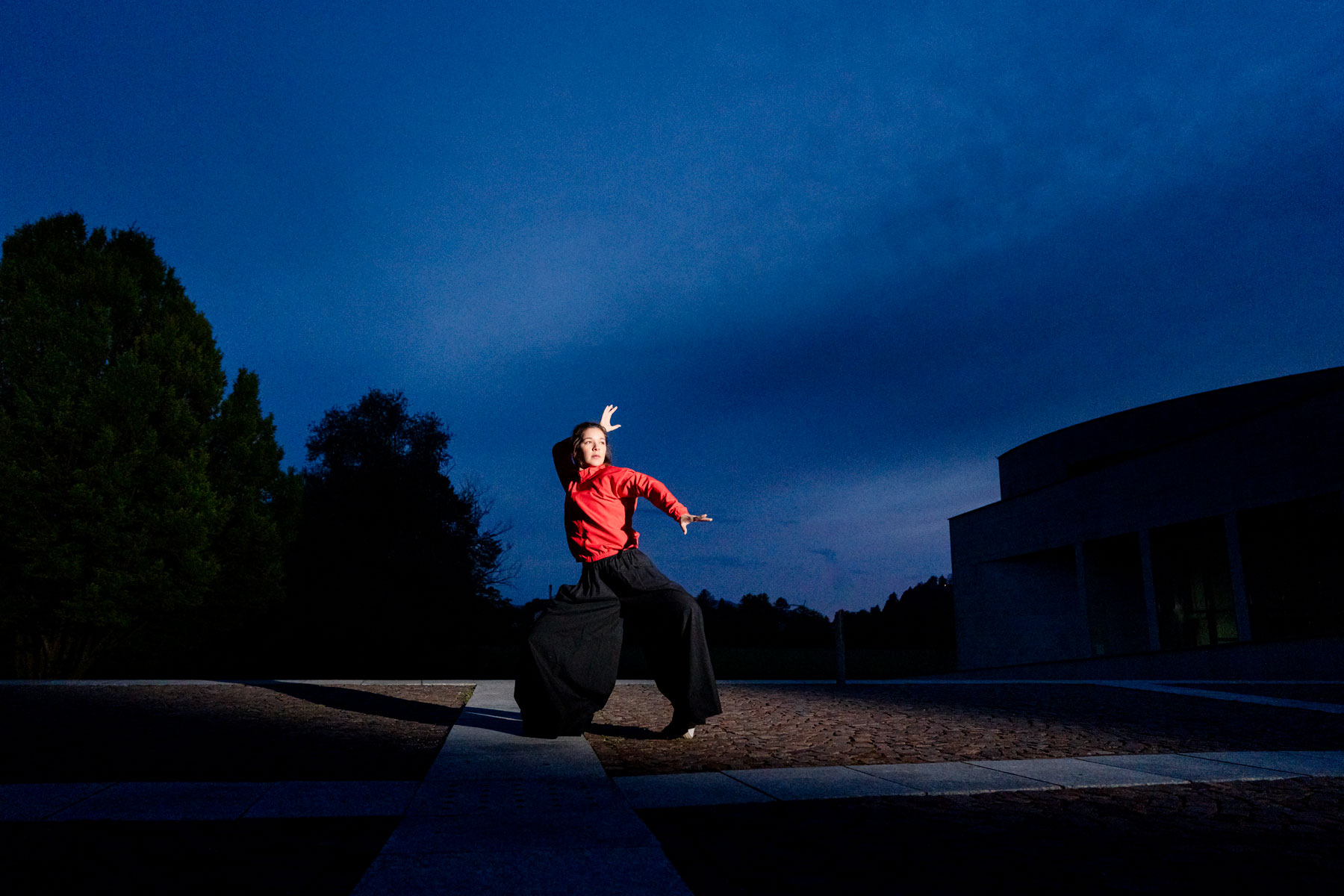
It really depends on the mission of the day. For example, if we have a large number of portraits to take, I opt for a single standard look that can work efficiently for all the subjects, such as a soft large modifier as key light plus any necessary additional rim lights or background lights.
If we have one single talent in mind or a very specific look, then I plan accordingly to use light and contrast to achieve the desired goal and purpose. If I had to choose one setup, I would probably go with a contrasty key light from the Maxima 3 with a Fresnel lens in a darker environment to make the main subject pop in a “theatrical stage” kind of way.
What are the characteristics of Maxima that you enjoyed most?
Maxima products stand out for their exceptional build quality and reliability. The consistent and adjustable lighting output allows me to fine-tune the illumination to suit different shooting scenarios very quickly. I appreciate the benefit of their low heat technology, the perfect compatibility with Profoto flashes, and their approach to product development, which includes sustainability, functionality, and quality as top priorities.
The color accuracy and brightness of Maxima LEDs ensure that my subjects are lit perfectly, which significantly reduces post-production time. Overall, Maxima’s commitment to innovation and quality aligns perfectly with my own standards for creating visually stunning and impactful content.

Leo Rosas Morin
Where? Salzburg, Austria
When? Since 2001
What? Sport photography
Favourite equipment? Maxima 6 GaN – Sony Alpha 1 – Sony A9 III




Masters of Light: Martynas Justinevicius
commercial
My name is Martynas Justinevicius A.K.A Glidephotos. Born in Lithuania and grew up in Hawaii. Currently residing in Stockholm Sweden but working worldwide. I have been working as a photographer for over a decade but as of the last recent years also as videographer and YouTuber mainly focused on creating captivating content.
What is your main field in photography / videomaking?
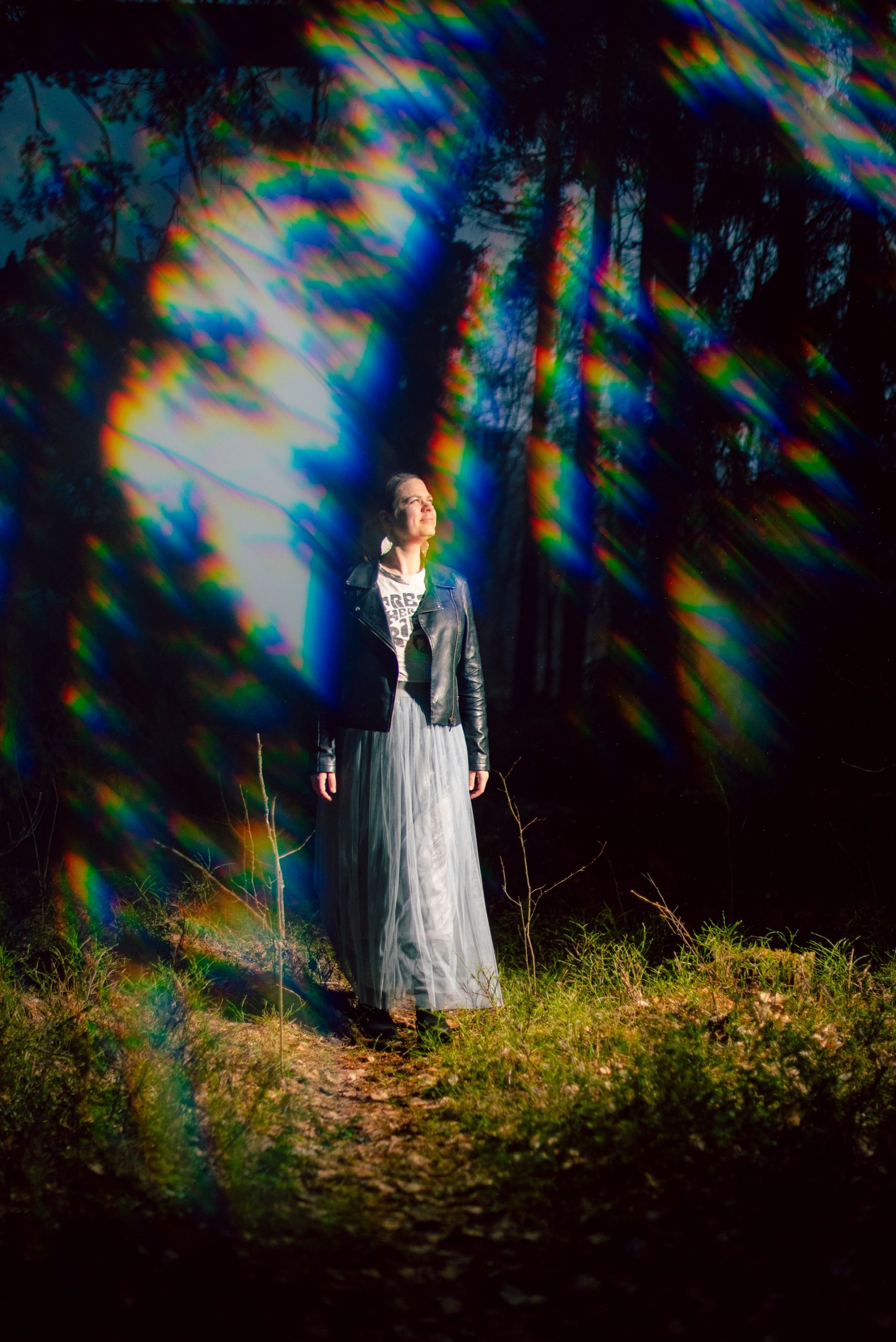
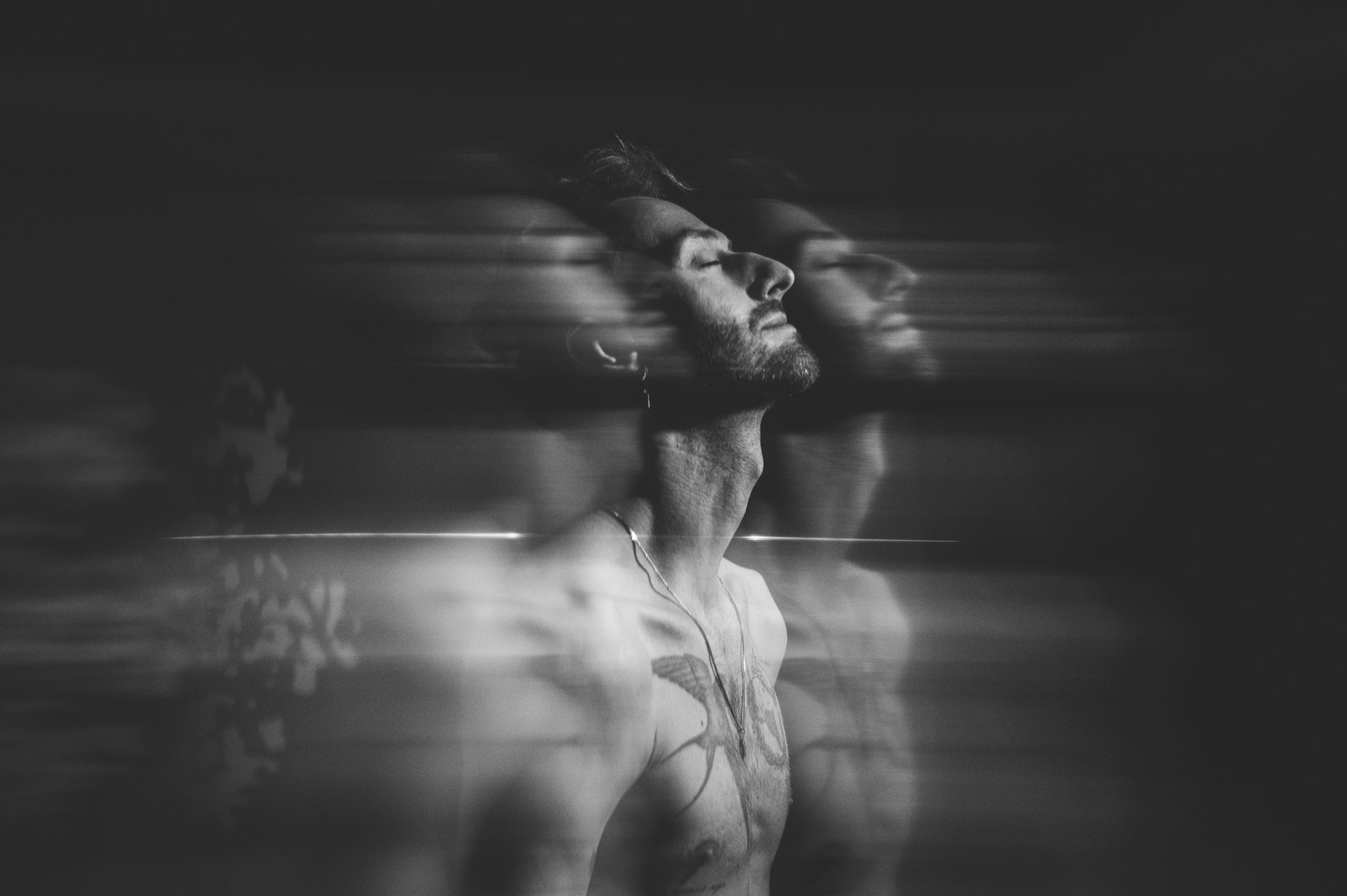
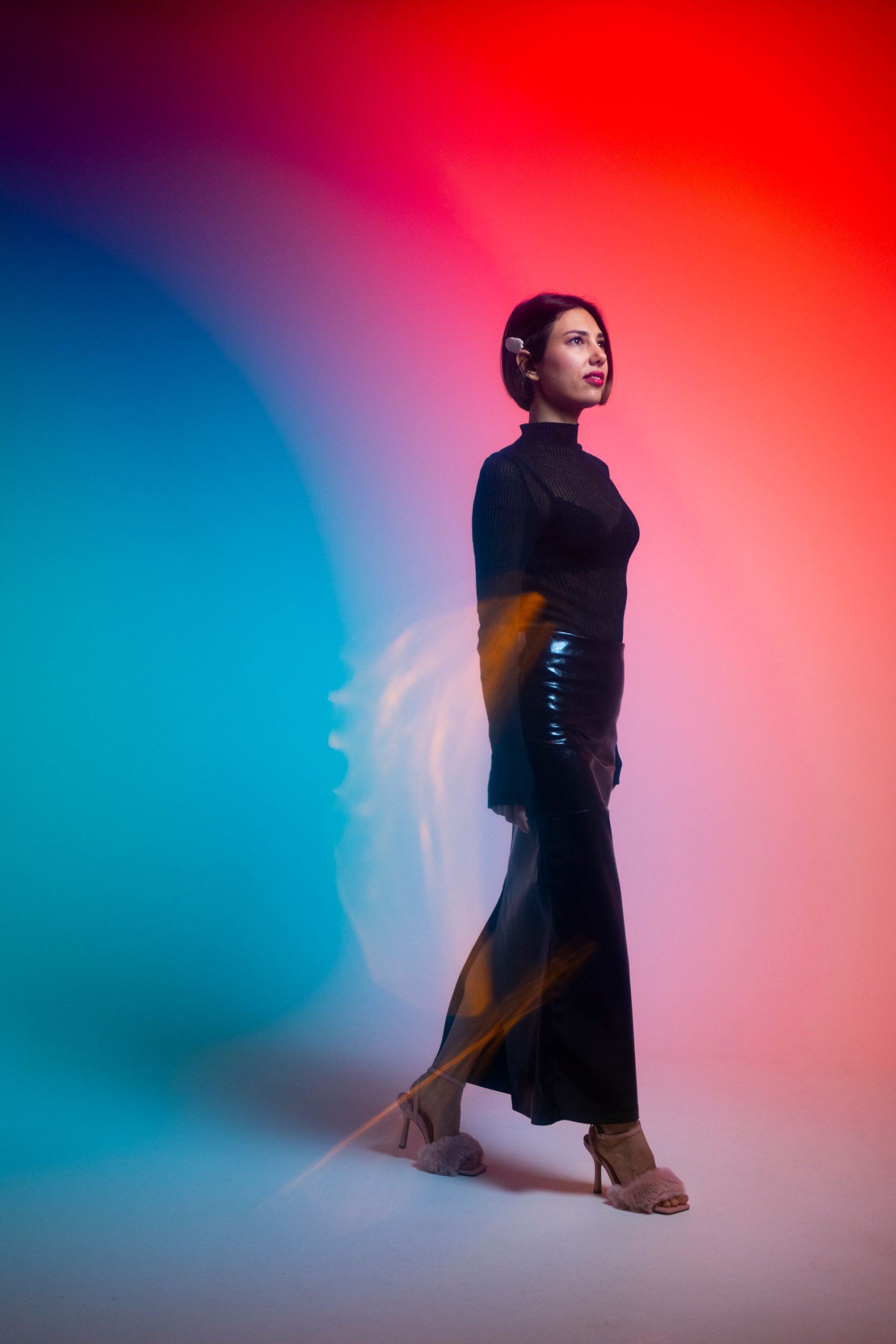
My personal style is unique and colourful, though I also create the “commercial” style content when needed. I use alot of different tools to create the effects in my images and video and rarely is it ever done in the editing process but is focused on in camera effects. I mainly work with creative lighting situations that have been location based for the most part but recently have also been in the studio. I always aim to create images that have not been done before and with anything new, it’s always a hit or a miss but it allows me to be challenged on every project I work on.
What equipment do you use?
My main camera for photo and video is the Nikon Z6. Although also working with other cameras such as a Nikon F100 for analog work and a Ricoh GR2 for day to day creations and experimental work. As far as lenses go, too many to list but the ones I have with me often are the 35mm f1.4, 105mm f1.4, 40mm f2 Z, 14-30mm f4 Z. For FX filters, I mainly use PrismLens FX and for haze/smoke, I use the Smoke Genie and Smoke Ninja from PMI Gear. There is more gear that I can share since ever project is unique and may need specific effects to bring out the exact vision.
Which Maxima products have you used?
I have been mainly using the Maxima 6 GaN with the battery box to allow me to use the light in any situation anywhere.
Can you tell us a little bit more about your favorite lighting strategy?
For most of my career, colourful lighting has been my favourite. Having opposite colours on a model, but as of recent I have enjoyed to allow for skin tones to come out in images along with colourful tones on the model and background. That has been possible with the Maxima 6 GaN light. It has been the main key light in many shoots with other lights creating interesting lighting effects around the model.
A second favourite lighting setup is having the main light in back of the model and aiming right into the camera, with some added haze or smoke it’s possible to get some very interesting images.
Classic lighting setups is always a start for any shoot, but later I always aim to create a setup that is not conventional for many shoots.
What are the characteristics of Maxima that you enjoyed the most?
Some characteristics that I love of Maxima 6 GaN are that, compared to other lights of this strength, the Maxima is much lighter and smaller: that works well for my style of shooting and for what I focus on. For me, being able to show up to a shoot with a small kit and produce high quality work is everything. Living in Sweden, you can never trust the weather and, with Maxima, that is something I don’t need to think about when shooting out on location: we can continue to get great images no matter the rain or the snow.

Martynas Justinevicius
Where? Stockholm, Sweden
When? For over a decade
What? Portrait, Commercial
Favourite equipment? Maxima 6 GaN – Maxima Battery Box
– Nikon Z6






Masters of Light: Daniel Kellenberger
commercial
My name is Daniel Kellenberger, I am a photographer at the shores of Lake Zurich, Switzerland. I originally studied Film at the Edinburgh College of Art, specializing in camera. After my return to Switzerland, I worked a while as a DOP for the national music television and switched afterwards into photography. My career began as an employed press photographer for a newspaper and declared myself a freelance photographer in 2011. In the following decade, I freelanced for all major newspapers and print products in Switzerland, as well for advertising agencies and companies, specializing in Portraits and Architecture.
What is your main field in photography / videomaking?
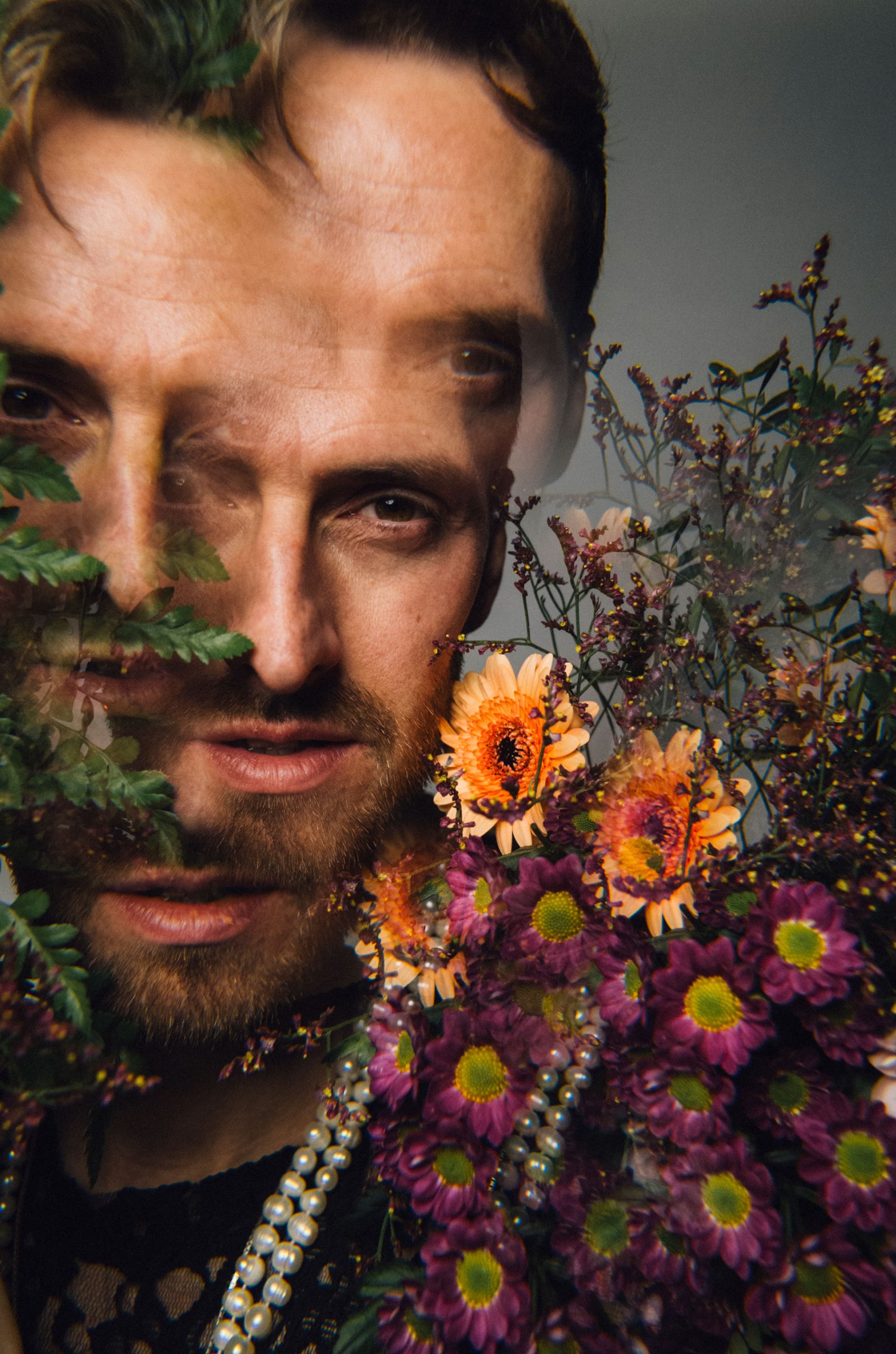
After 12 years, I moved my studio from the city to a neighbour village at the Lake of Zurich to be closer to family, home and local politics. With the new studio, I decided to focus more on portraits for actors, models and dancers but keep doing selected assignments for clients. Changing my work into a more creative and personal field of photography gave me the urge to expand my level of experimenting and trying new things with equipment and postproduction. My pictures should be a compromise of spontaneous ideas from press photography and dramatic filmic scenes.
Although my background is from film, I wanted to keep photography as my core business. I adore the haptics of a printed photograph and put it on a wall or into books.
What equipment do you use?
I use my Leica SL3 for most of my job. Since the beginning, I used Profoto flashlights for over 15 years. With my new studio, it was time to try something new and add continuous light.
Which Maxima products have you used?
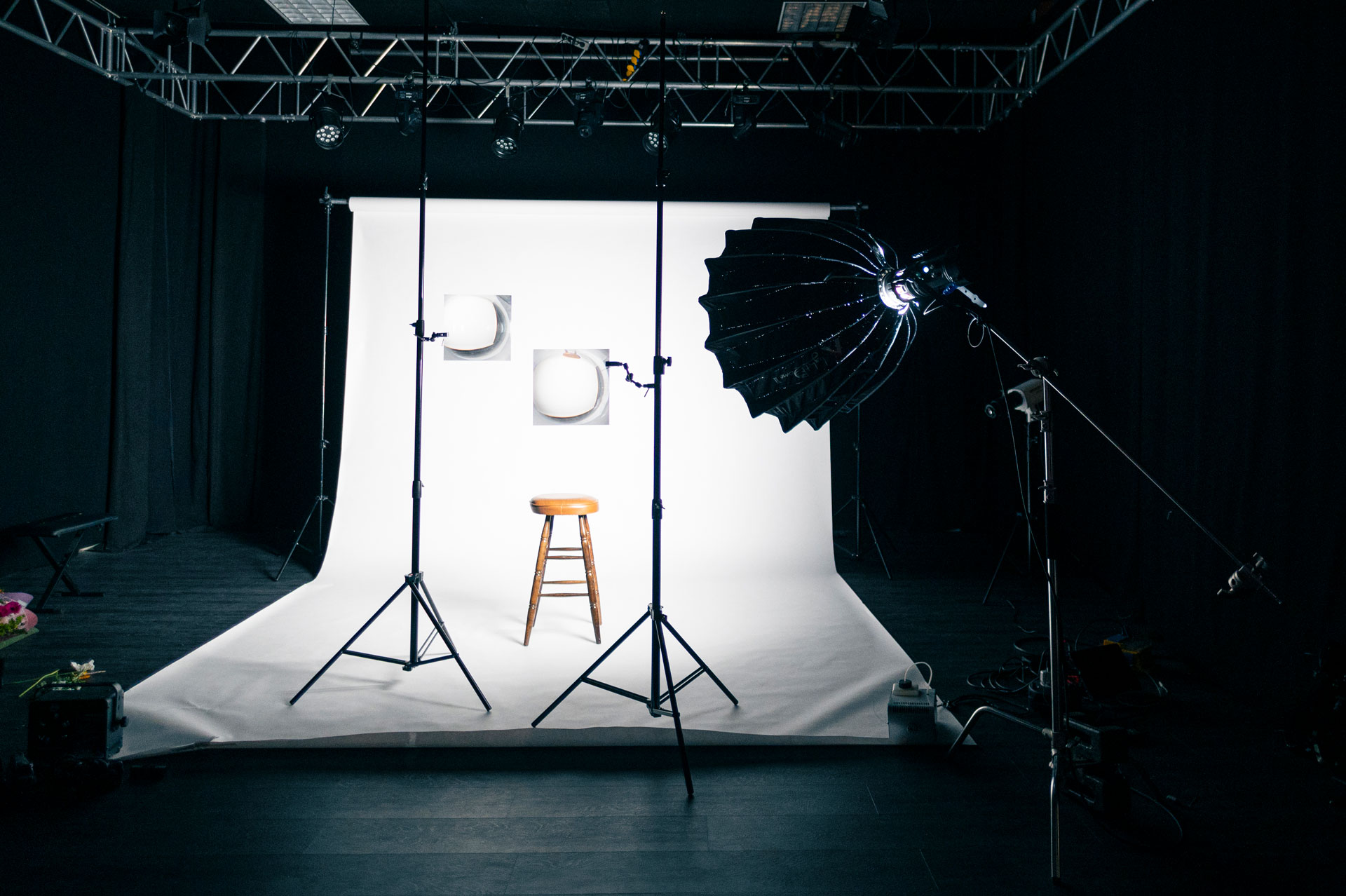
During my research for reliable and innovative continuous lighting, I came across the Maxima 3 Fresnel kit with the Profoto-adapter.
Can you tell us a little bit more about your favorite lighting strategy?
Because of my experience, I can tell the effect and impact from flashlights. But I wanted to try something new and when trying new things, it is very helpful to see and control it. My favorite strategy is a combination of flash where I know what to expect and strong warm reflections from the Maxima 3. In my studio, I also started to take more pictures again with available light where the Maxima 3 is a perfect source for fill light, directly or indirectly.
What are the characteristics of Maxima that you enjoyed most?
The Maxima 3 has a variety of interesting features. It can be used as a strong simple light without adapters to tickle out the most of this powerful source. Or you can use it with the Fresnel adapter to have a concentrated and focused lighting. With the compatibility towards Profoto softboxes, it can also be used as a main light when you want visible control over your motif. The robust and significant manufacturing allows it to be a reliable piece of equipment in a fast-paced shooting. It endures the stress of a long session with steady and trusty light quality.
To me, the Maxima 3 was a perfect entry point into continuous lighting, I can’t wait to try the Maxima Furiosa and looking forward to future innovations from Maxima LED!

Daniel Kellenberger
Where? Lake Zurich
When? Since 2011
What? Portrait photography
Favourite equipment? Maxima 3 – Leica SL3