Masters of Light: Evely Duis
industrial
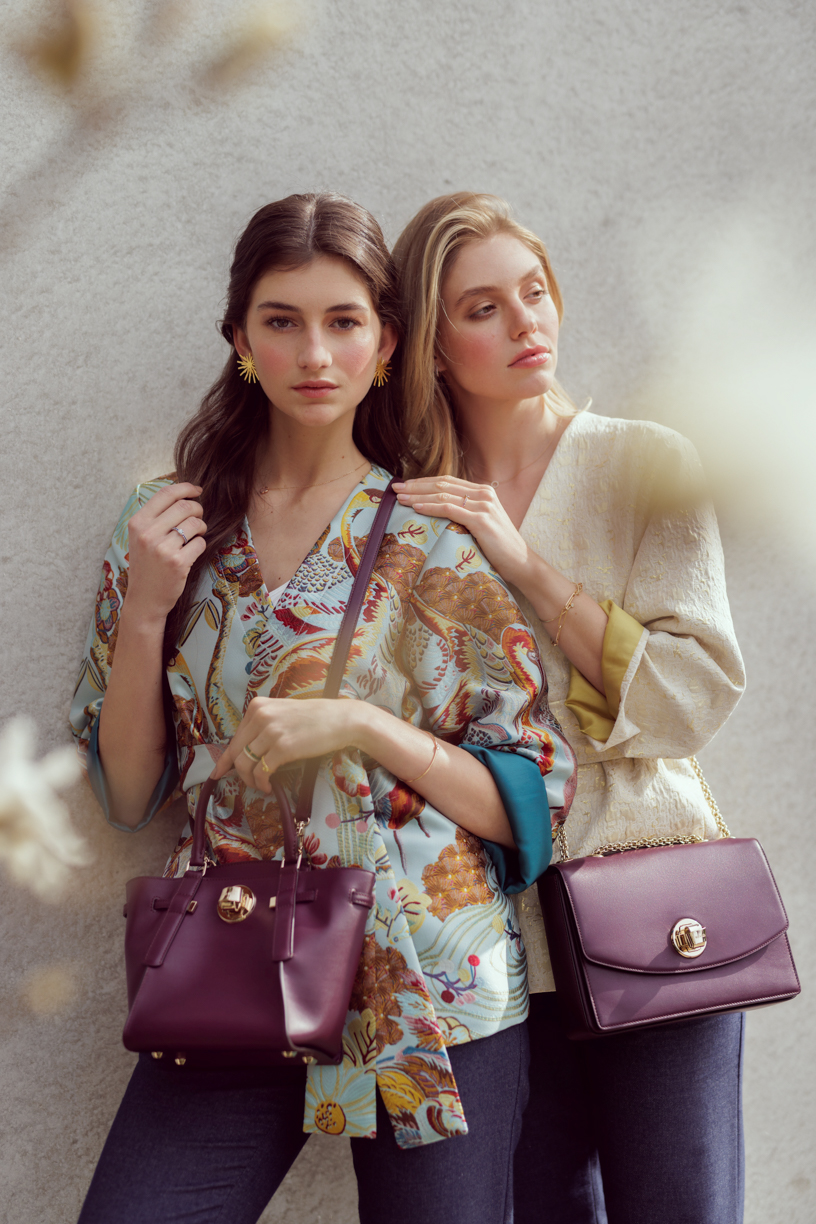
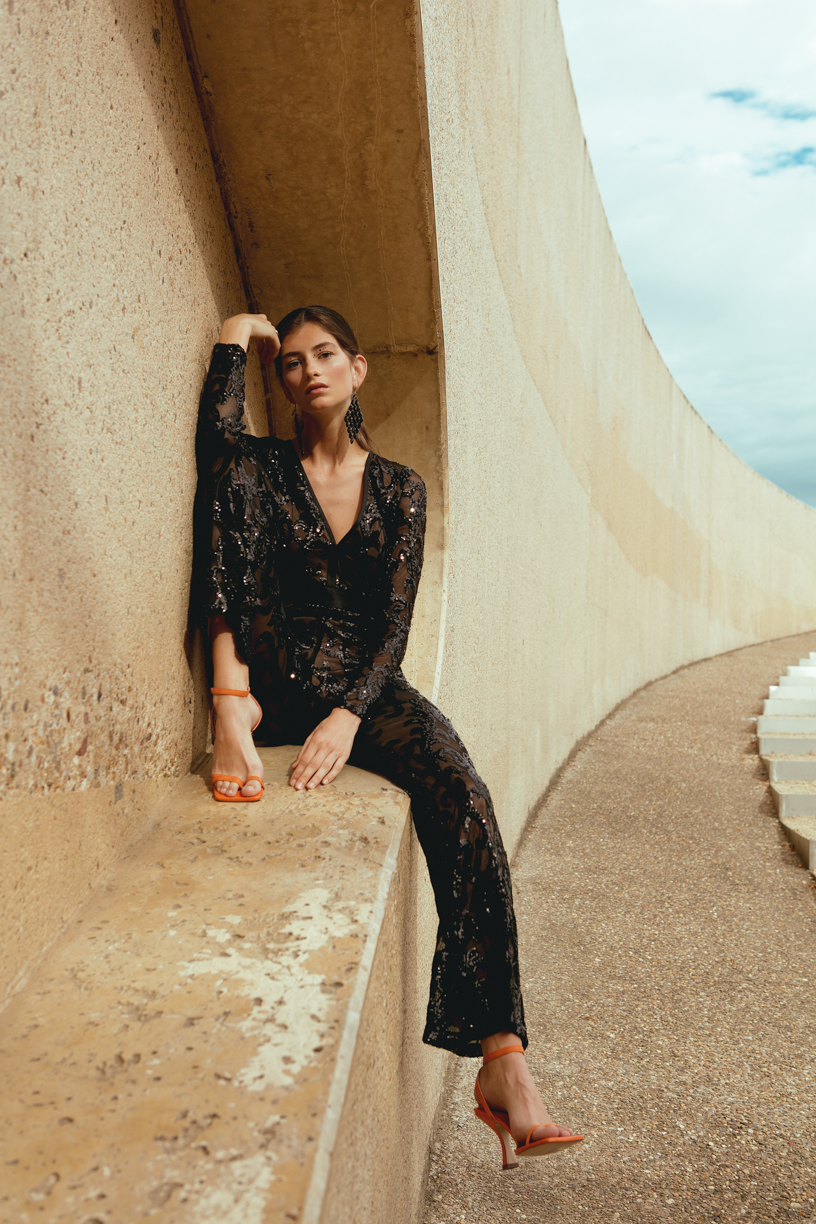
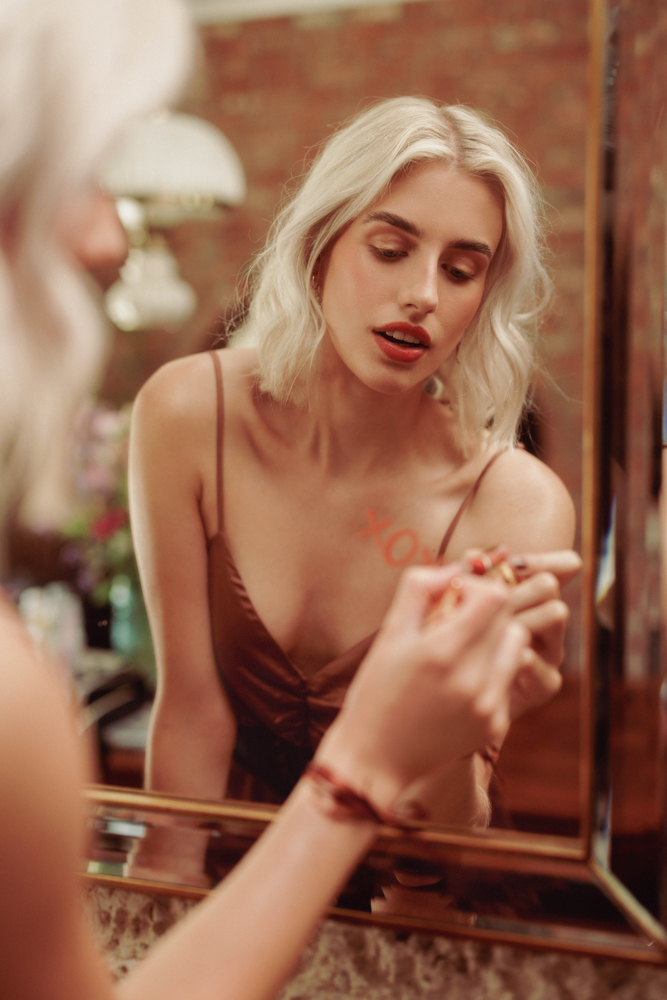
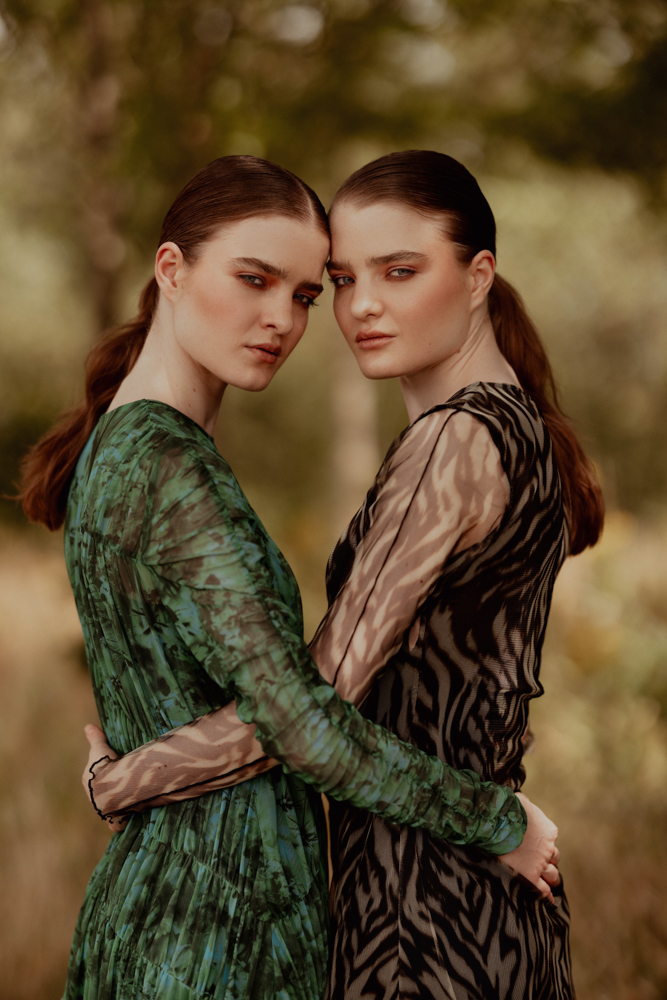
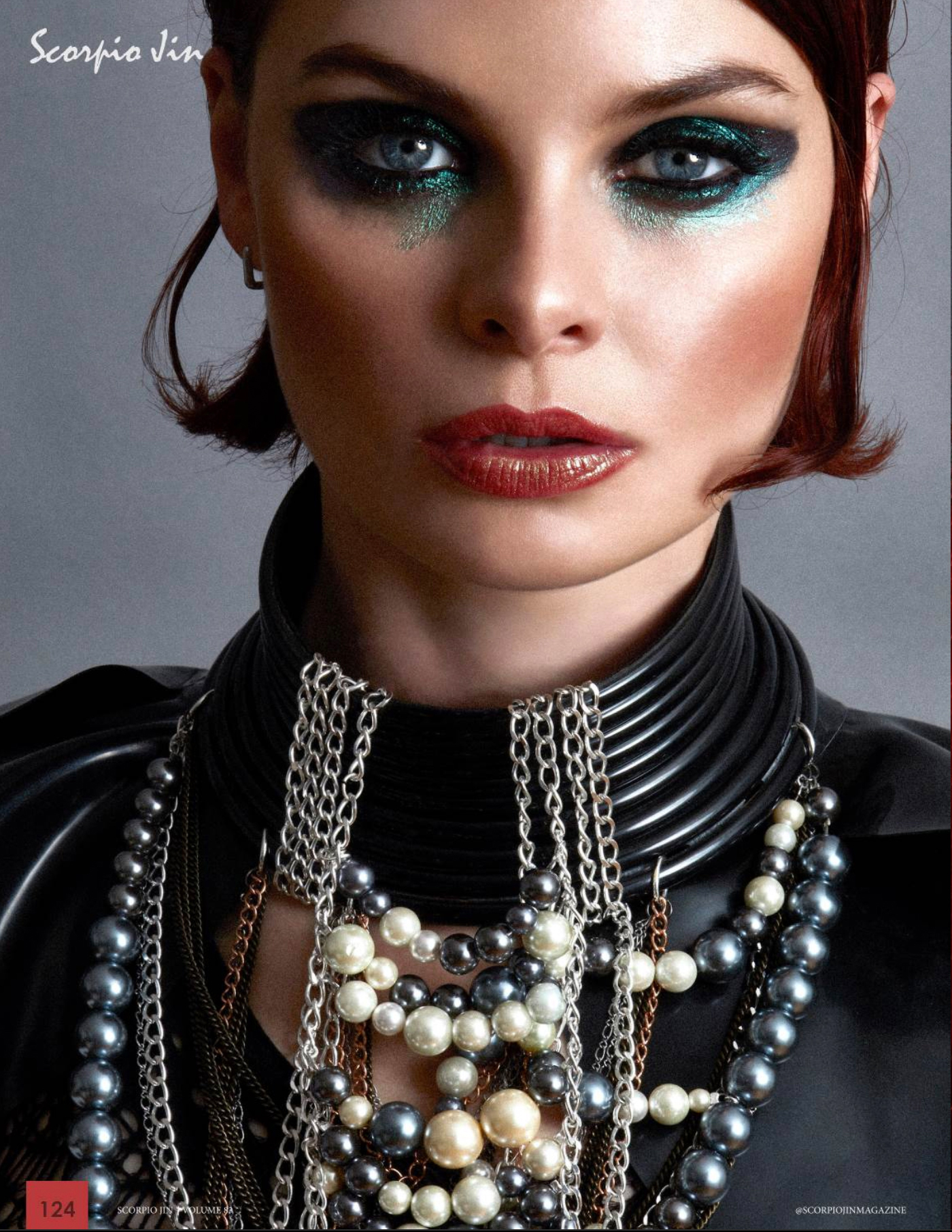
Evely Duis is a fashion and portrait photographer from the Netherlands. With more than a decade of professional experience, Evely creates images where fashion, atmosphere, color and emotion become part of the same visual language. Her work is deeply concept-driven: every shoot starts from an idea, but it is shaped through collaboration, connection with the model and a strong personal vision. For Evely, photography is not just about creating a beautiful image, but about putting a piece of herself into every frame.
What is your main field in photography?
I’m a fashion and portrait photographer from the Netherlands. My work is centered around fashion, beauty, portraits and creative concepts, but for me fashion is much more than the clothes I photograph. It is a complete visual world made of styling, mood, color, personality and emotion. Fashion inspires me in many different ways, and I use it as a starting point to create images that feel personal, expressive and full of atmosphere.
When I plan a shoot, I always start from a concept. I don’t just want to recreate an image I’ve seen somewhere else. I want to make it my own, to put a little bit of my heart and soul into it. The final result should not simply be a pretty picture, but an image with a vision behind it, something that reflects both my creative direction and the energy of the people involved.
What equipment do you use?
My equipment is chosen to give me freedom, control and flexibility on set. I work with professional camera gear suited for fashion and portrait photography, but light is the element that really defines the look of my images. For me, light is the most important part of photography. Without light, there is no photograph. It is the first ingredient and the tool that allows me to build the atmosphere, the colors and the balance of the image.
In my workflow, continuous light has become extremely important because it allows me to shoot both still images and short video fragments on the same set. I like to create what I call moving stills: short, atmospheric pieces that feel like an extension of the photograph. With Maxima, I can move smoothly between photo and video without changing the mood or rebuilding the setup.
Which Maxima products have you used?
I use Maxima lights as part of my creative workflow because they give me the control I need over both light and color. With Maxima, I can place light wherever I need it, shape the mood directly on set and keep the same atmosphere when switching from photography to video. This versatility is especially important for fashion work, where the world of the image has to feel coherent, intentional and visually strong.
Maxima helps me create a strong RAW image directly in camera. I know I can correct many things in Photoshop, but because I have that technical knowledge, I prefer to solve the puzzle before editing. I want the light, the colors, the skin tones and the mood to already be as close as possible to the final image while I am shooting.
Can you tell us a little more about your preferred lighting strategy?
My lighting strategy always starts from the atmosphere I want to create. I like to have full control over the light, but I don’t use light only to illuminate the subject. I use it to build the world of the image. The mood, the colors, the balance and even part of the color grading begin directly on set, with the lights I choose and the way I use them.
People often think that I do a lot of Photoshop in my work, but most of the time the atmosphere is already there in the RAW file. I create it with light, with colors, with the styling and with the relationship between the model and the set. For me, color grading does not begin in post-production. It begins while shooting.
The connection with the model and the team is also essential. A photograph is not only something I take by myself; it is a collaboration. The model, styling, makeup, light and concept all have to work together. When the light is right, everyone can feel the mood of the image, and that helps the model and the whole team enter the atmosphere we are creating.
What are the characteristics of Maxima that you enjoyed most?
What I enjoy most about Maxima is the versatility. It gives me the possibility to shoot photo and video on the same set, with the same lighting mood and without interrupting the creative flow. I don’t only shoot photographs; I also create short video fragments, almost like moving stills. Working with continuous light opens a new perspective on photography and allows me to give my clients more complete visual content.
I also appreciate the control Maxima gives me over color. Color is very important in my work, and I want my RAW image to already feel strong, balanced and intentional. With Maxima, I can trust the quality of the light, the skin tones and the colors. It helps me create the atmosphere directly while shooting, so I don’t have to rely too much on post-production to make the image work.
For me, Maxima is not only a technical tool. It is part of the creative process. It helps me work faster, stay flexible, and keep the visual world of the shoot consistent from stills to motion.
What advice would you give to photographers who are developing their own style?
The best advice I can give to new photographers is to create. Create a lot, and really look at what you are doing. Don’t be satisfied too quickly, but also don’t be afraid to make work that may not belong in your portfolio. Even when something is not perfect, it can still be a valuable lesson.
I hope every photographer finds, or continues to develop, their own style. Create not only for clients, but also for yourself. Keep passion in your work, keep your own vision alive, and use that vision to inspire others.

Evely Duis
Where? The Netherlands
When? Since 2015
What? Fashion photography
Favourite equipment? Maxima 6 – Maxima Rapida – Canon R5




Masters of Light: Stefania Dobrin
industrial
Stefania Dobrin is a Cuneo-based photographer specialising in new-born, children and couple photography. Since 2016, Stefania has specialized in newborn, maternity, and family portraits. Her work is all about capturing real feelings and moments, those little details that become tomorrow’s most precious memories.
What is your main field in photography?
I specialize in children’s portraiture—with a focus on newborns, maternity, and family sessions. For the past ten years I’ve built my work around authenticity: real expressions, real gestures, and those tiny details that become a family’s most cherished memories. Working with children feels natural to me—their spontaneity and playfulness set the rhythm of every shoot—so I design each session to be calm, simple, and honest, letting personalities emerge without pressure. Light is my language: I favor soft, natural-looking setups that keep babies comfortable and help parents relax, while still giving me the control to shape mood and highlight emotion. Increasingly, I also capture short video moments alongside the photos, so families can remember not just how a moment looked, but how it felt.
What equipment do you use?
I work with Nikon Z6 cameras paired with a 50mm and 100mm large aperture lenses, alongside a selection of others, including some wider lenses. In the studio, I have switched completely to Maxima, using the Maxima Furiosa with the Profoto® adapter to quickly mount the many Profoto® accessories I have, using them even more proficiently than I used to do with flashes. I also rely on the Maxima Rapida both in the studio and during outside shootings.
Which Maxima products have you used?
I use the Maxima Rapida both indoors and outdoors for its waterproof lightweight design and versatility. The Furiosa delivers a powerful 80,000-lumen output with a full colour range from 2600–6800K and can also be powered outdoors using a third-party battery.
Can you tell us a little more about your preferred lighting strategy?
I build my light around comfort, authenticity, and control. For newborns and small children I keep things simple: one large, diffused key at about 45° to the face, slightly above eye level, and a white reflector on the shadow side for a soft 1:2 or 1:3 ratio. I feather the key across the subject rather than pointing it straight on—this keeps skin tones gentle and preserves texture without harsh hotspots. If I need a touch more shape, I add negative fill (a black flag or V-flat) rather than cranking contrast with harder light.
I almost always work with continuous, soft light so kids stay calm and parents see the mood in real time. With Maxima Rapida I can dial CCT to match the room (tungsten lamps, window light, or mixed ambient) and fine-tune output in tiny steps. For sleepy newborns, I keep intensity low and place the source high and slightly behind to feel natural and non-intrusive; for energetic toddlers, I lift the overall key for a brighter, high-key look that suits their pace. I’ll often bounce off a wall or scrim for extra wrap, and bring in a subtle hair/background lift only if it serves the story.
Because the setup is quiet and ballast-free, I can switch to video at any moment to capture micro-interactions—hands, smiles, hugs—without stopping the flow or rebuilding the light.
What are the characteristics of Maxima that you enjoyed most?
What I appreciate most about Maxima is how naturally it fits children’s portrait work: the light is soft, even and beautifully clean on skin, so I don’t have to fight color shifts or harsh hotspots. The wide bi-color range and fine, stepless dimming let me match whatever ambient I find—window light, tungsten lamps, mixed rooms—without stopping the session. It’s also quiet and cool, which is essential around newborns; babies stay calm, parents relax, and I can work closer with large diffusers without heat or noise becoming a distraction.
Day to day, the battery power and ballast-free design make a big difference: I can move the light from one corner to another in seconds, keep my footprint small, and follow the energy of the family instead of rearranging gear. I also love to use the instant photo-to-video switch on my camera—one tap and I’m capturing short clips in the same setup, which adds so much value for clients. This pairs extremely well with the high-quality light from Maxima and basically gives you a finished result out of camera. Finally, the fixture plays nicely with my favorite modifiers, feels robust, and is consistent from session to session, so I spend less time tweaking and more time focusing on the emotions that matter.

Stefania Dobrin
Where? Cuneo
When? Since 2016
What? Children’s photography
Favourite equipment? Maxima Furiosa – Maxima Rapida – Nikon Z6


Masters of Light: Soulla Petrou
industrial
Soulla Petrou is a London-based photographer specialising in beauty, fashion and portraiture. For more than 30 years she has helped brands and talent stand out with evocative, contemporary imagery that translates client concepts into elegant, precision-crafted visuals. Her background includes over two decades in the music industry, where she created a large archive of iconic portraits and live imagery, culminating in her debut book, Rewind – Journey of a Music Photographer. Soulla is also an accomplished retoucher with 24+ years of experience on both her own work and assignments for other photographers and beauty–fashion brands, ensuring end-to-end creative control and consistency on every project.
Soulla was shortlisted for the Taylor Wessing Portrait prize in 2025 and her work was exhibited at the National Portrait Gallery. Her photography has also been acquired by the V&A for its permanent collection, with inclusion in a joint exhibition taking place this April 2026. Her music portraits earned her third place at the International Photography Awards in 2008, and she was featured in The World’s Top Photographers – Celebrity & Performance, published in 2009. Today, Soulla continues to work primarily within advertising.
What is your main field in photography?
My main field in photography is beauty, fashion and portraiture.
My practice centres on capturing clean, elegant, and expressive imagery, with a strong emphasis on facial detail, skin texture, and individual character. Working across both editorial and commercial projects, with a thoughtful approach to lighting and composition. Through portraiture, I like to explores personality and emotion, to bring depth and authenticity.
What equipment do you use?
For most beauty shoots, I work with Canon 5D Mark IV cameras paired with a 100mm macro lens, alongside a selection of other lenses, including extreme wide angles for fashion and portrait work. In the studio, I use Bowens Flash 1000 lighting, complemented by the Maxima Furiosa with a Bowens attachment ring, allowing full compatibility with my existing Bowens accessories. I also rely on the Maxima Rapida both in the studio and on location, even in challenging weather conditions.
Which Maxima products have you used?
I use the Maxima Rapida both indoors and outdoors for its waterproof lightweight design and versatility. The Furiosa delivers a powerful 80,000-lumen output with a full colour range from 2600–6800K and can also be powered outdoors using a third-party battery.
Can you tell us a little more about your preferred lighting strategy?
My preferred lighting strategy focuses on soft, controlled light that enhances natural skin texture and facial structure. I often use clean, directional lighting to sculpt the face while keeping the overall look polished and elegant, which suits my work in beauty, fashion, and portrait photography.
My lighting tends to be minimal rather than overly dramatic, allowing the subject to remain the main focus, with careful attention to highlights, shadows, and balance to create a refined, timeless aesthetic.
What are the characteristics of Maxima that you enjoyed most?
I value the versatility and precise control that Maxima LED Lighting offers. The ability to shape and soften the light allows me to create flattering illumination with real accuracy, which is essential for beauty and portrait work. In beauty and fashion photography—where skin tones and makeup details must appear natural and true to life—the consistent, accurate colour rendering is especially important to me.
After 30 years of working predominantly with flash, switching to continuous lighting has been transformative. Being able to see exactly what the light is doing in real time, makes adjustments to intensity and positioning intuitive and efficient. With Maxima LED, lighting can be adapted quickly on set, keeping the creative flow uninterrupted. Compared to flash, shooting is also much faster, as there’s no need to wait for recycle times—ensuring moments aren’t missed.
Another major difference for me is the quality of softness achievable with continuous light. It’s almost like having a ball of beautiful sunlight inside the studio. Maxima lighting also allows me to shoot both video and stills seamlessly, which is increasingly essential in today’s market where photographers are often expected to deliver both.
The Maxima Rapida’s adaptability is another key feature. It can be used outdoors with a V-mount battery and is fully waterproof,—an invaluable advantage on location. Added to this, Maxima LED lights are lightweight, portable, and easy to set up, making them practical for both studio and location work. Their energy efficiency and low heat output also improve comfort on set, particularly during longer sessions, creating a better working environment for both the subject and myself.

Soulla Petrou
Where? London
When? Since 1994
What? Fashion photography
Favourite equipment? Maxima Furiosa – Maxima Rapida – Canon 5D Mark 1V




Masters of Light: Roberto Sammartini
industrial
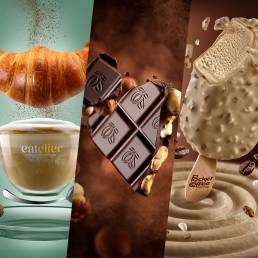
Roberto Sammartini is a renowned food and still life photographer based in Varese, Italy. With a unique mix of culinary expertise and photographic precision, his studio is part kitchen, part creative lab—designed to craft the kind of iconic images that define major packaging campaigns. Known for his obsessive attention to detail and ability to turn everyday ingredients into striking visual statements, Roberto is a master of shaping light to build emotion, composition, and narrative around food.
What is your main field in photography?
My work revolves around food and still life photography, especially for packaging and advertising. In this field, the image isn’t just an illustration—it becomes an icon. Whether it’s a fruit on a yogurt label or a dish in a cookbook, that image must carry emotion, precision, and crave-appeal. It’s not about showing food, it’s about elevating it to something symbolic.
What equipment do you use?
Over the years, I’ve developed a highly customized studio. It’s equipped not only with cameras and modifiers, but also with a fully functional kitchen and tools to interact with food directly. I started with flash lighting, but now I blend flash and continuous light—using whichever best serves the creative and compositional goal. That mix has been a breakthrough in my process.
Which Maxima products have you used?
The Maxima Furiosa quickly became my go-to light. It offers everything I need: power, control, and most importantly, a quality of light that feels made for professionals like me. It’s not just a fixture—it’s a tool designed by people who understand the real needs of image-makers.
Can you tell us a little more about your preferred lighting strategy?
Lighting in food photography is decisive. It determines whether an ingredient looks fresh or flat, desirable or dull. With Maxima, I can sculpt light precisely. One key technique used in food photography is back-lighting/rim-lighting, to separate subject from background: light from the back can then be bounced off to illuminate the front of the subject without making it flat. Side lighting might then be added to create a grazing-light effect that enhances textures… and really invite you to eat the photograph! But food photography is also caring about the setup and ingredients: when I worked on the Müller campaign, for example, I had an entire kitchen full of strawberries—but only one was good enough to be “that” strawberry. “That” strawberry is more than an ingredient, it becomes an icon and as such should be treated!
What are the characteristics of Maxima that you enjoyed most?
The Furiosa impressed me from the start. The build quality, the power, the lens—everything feels like it was designed with serious photographers in mind. You can tell there’s a user-centric philosophy behind Maxima. It’s reliable, intuitive, and elevates the quality of my work. When I’m in the middle of a high-pressure set, I need a light that doesn’t just perform—it empowers me to do my best work, fast.

Roberto Sammartini
Where? Varese
When? Since 1999
What? Food photography
Favourite equipment? Maxima Furiosa – Phase One XF IQ4 150MP


Masters of Light: Silvia Steinbach
industrial
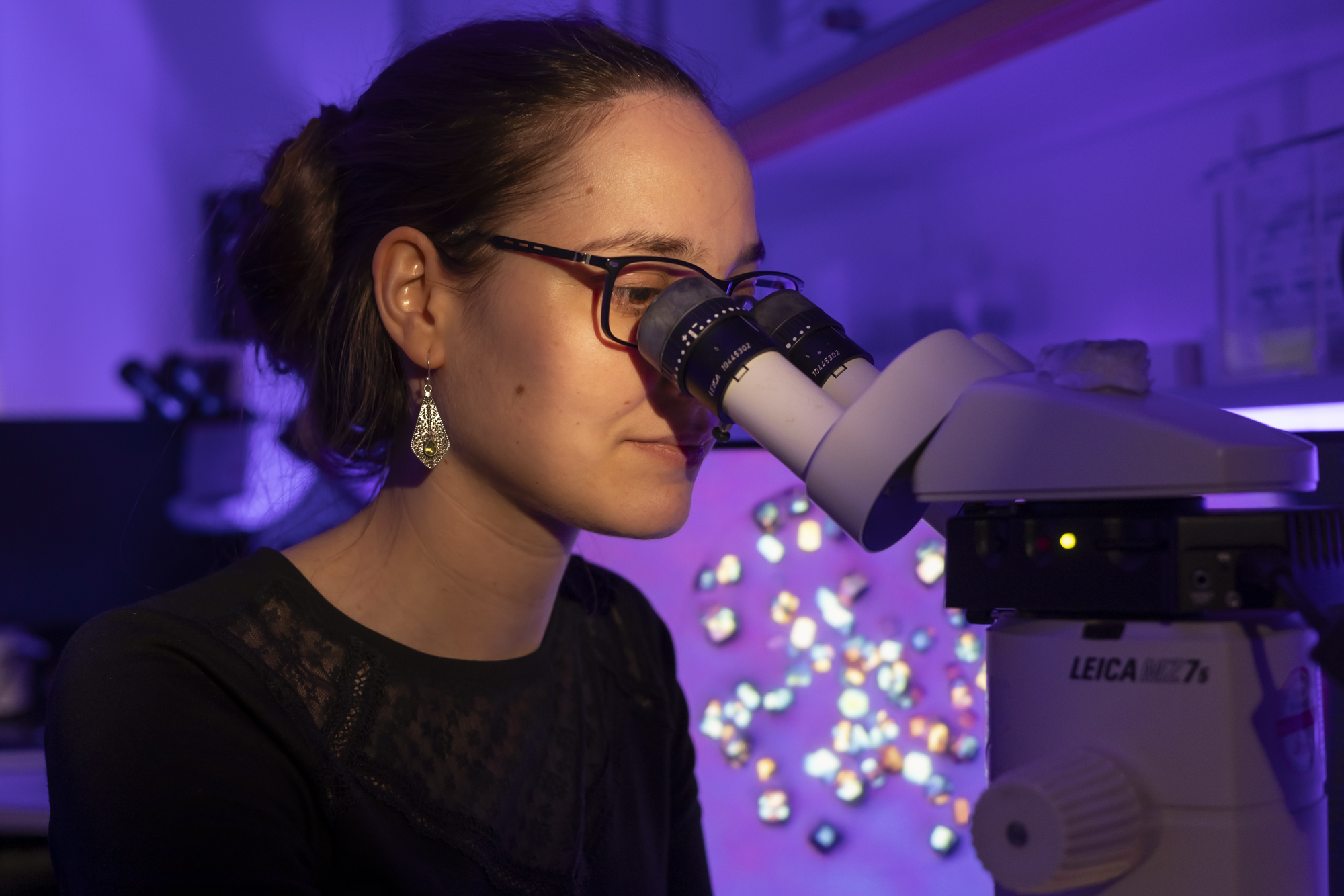
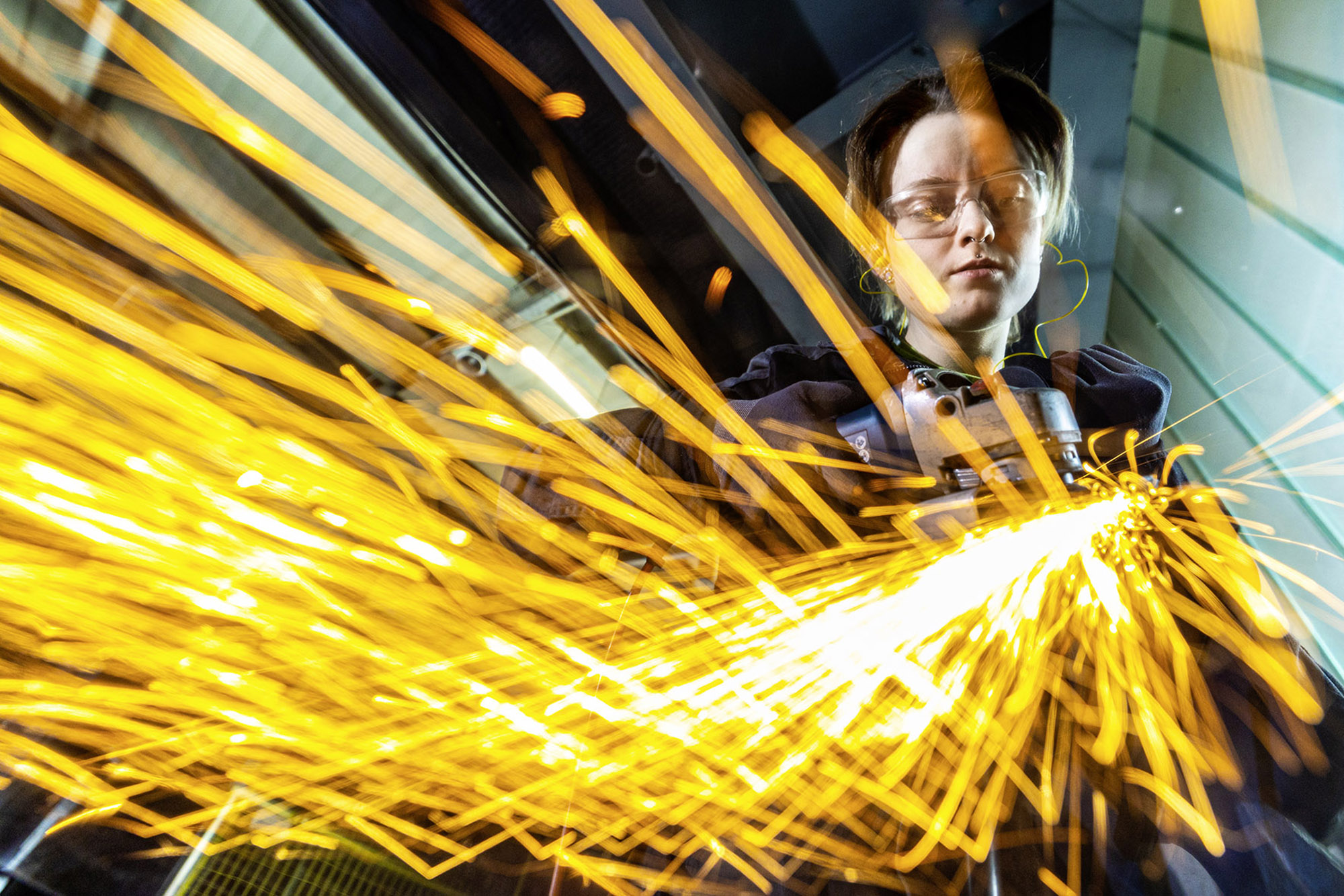
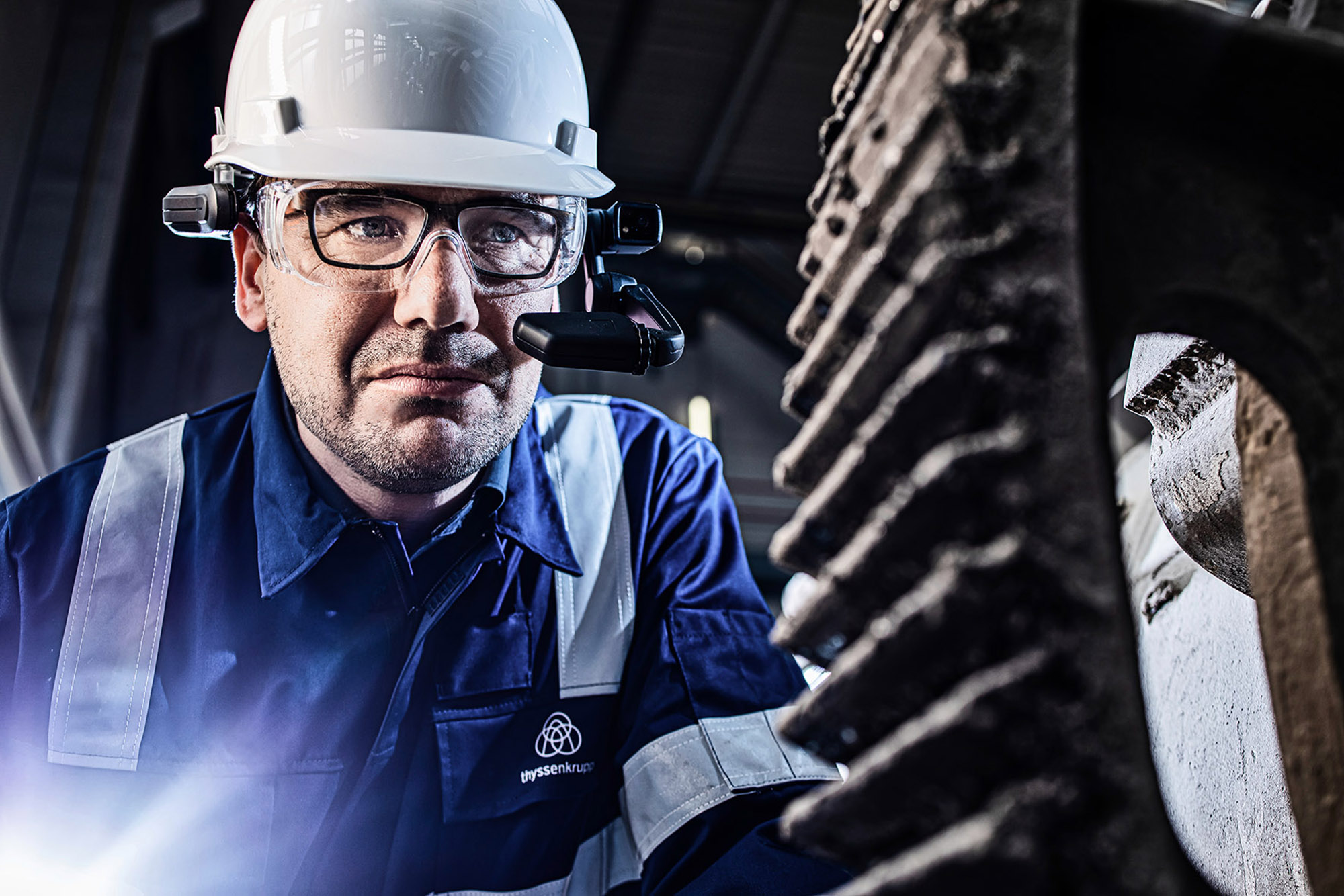
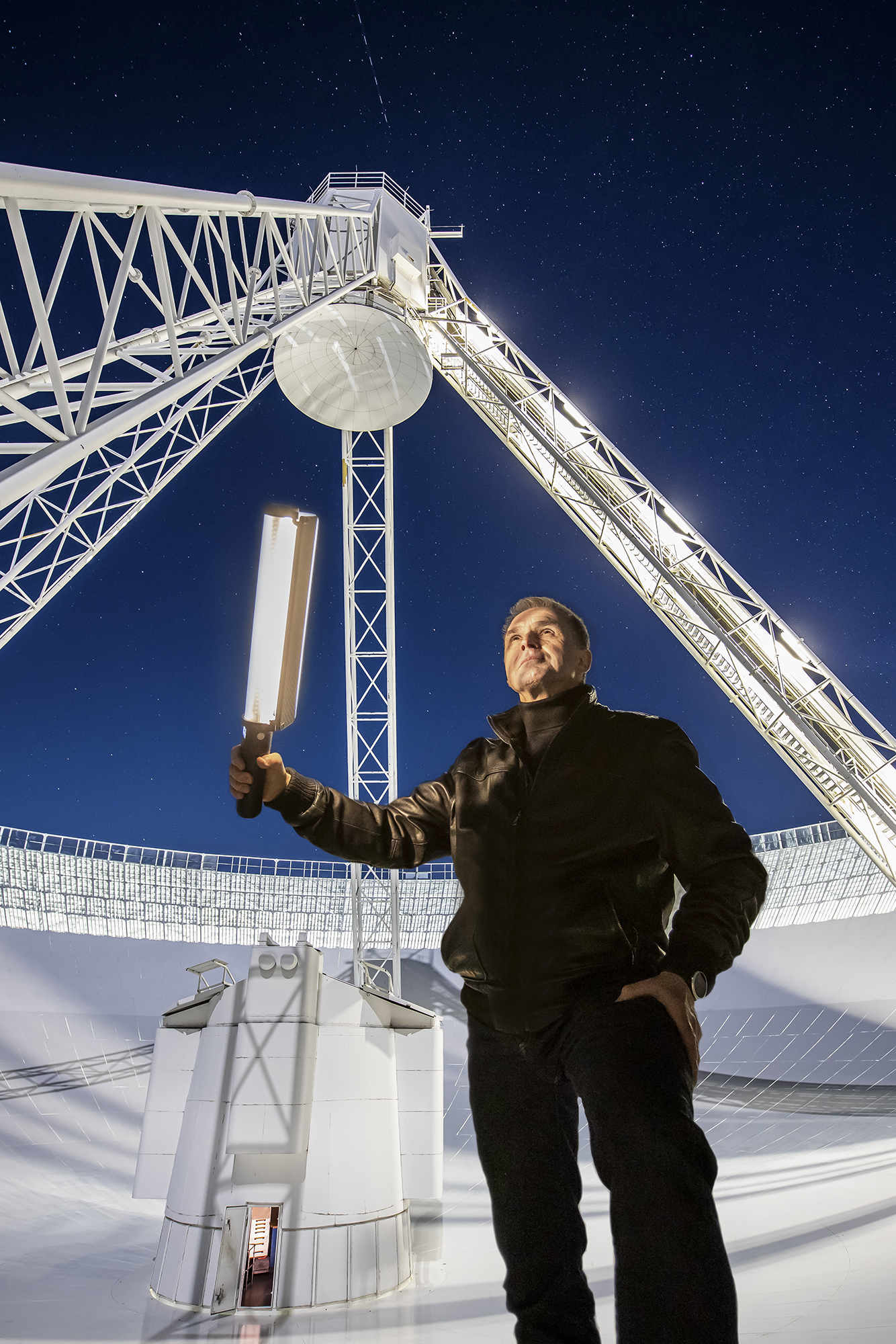
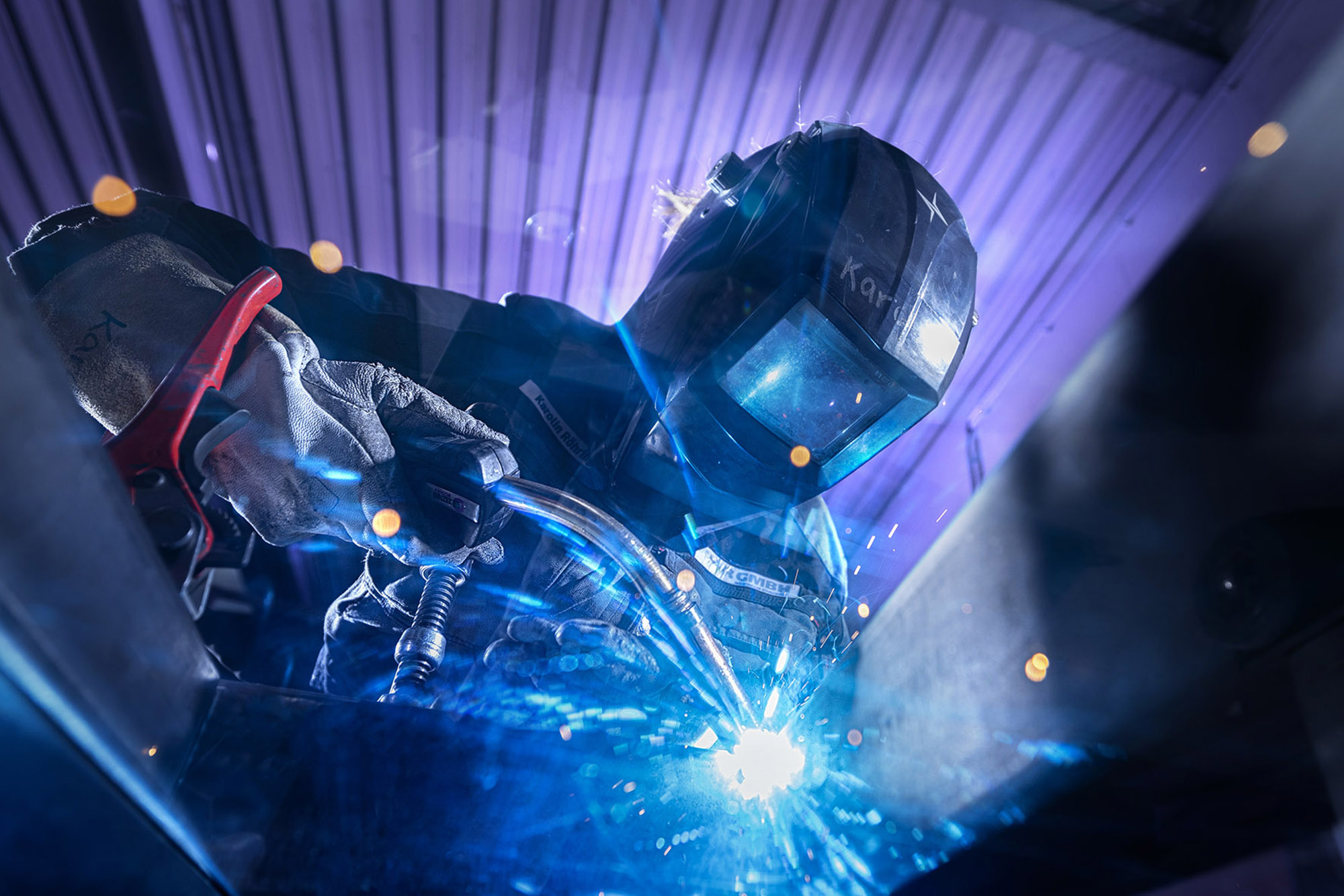
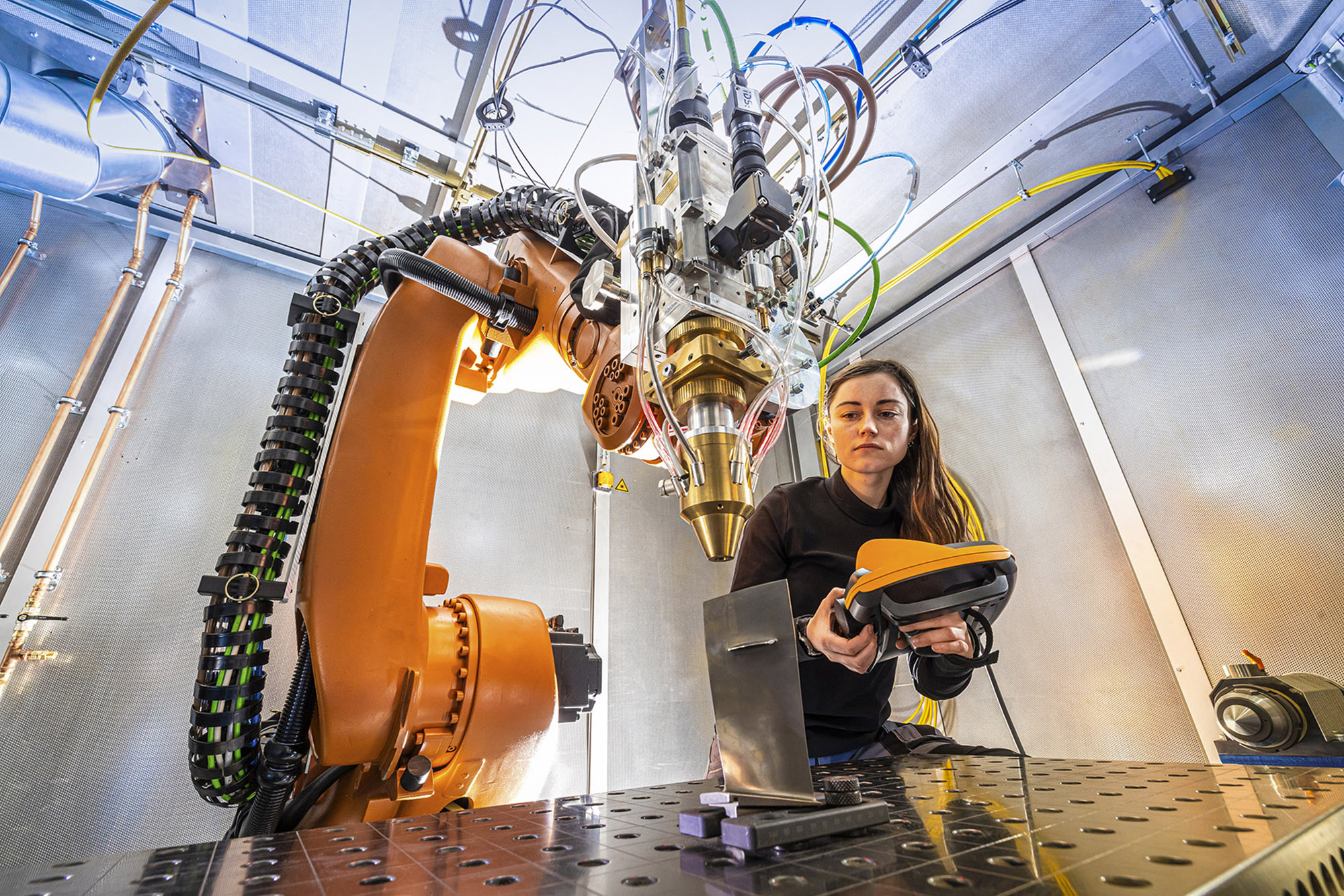
Silvia Steinbach is a scientific and industrial photographer based in Lower Saxony, Germany. After studying photo design in Dortmund, she launched her freelance career in 2005 and has since worked with scientific institutes and industrial companies across Germany and internationally. Her mission is to make complex technologies and processes visually accessible. With a precise technical approach, masterful control of light, and a sharp eye for detail, Silvia creates images that are both informative and visually impactful.
What is your main field in photography?
I work exclusively for scientific institutes and industrial clients. My focus is on revealing the unseen—turning complex technologies and processes into compelling images. Light is my most important tool. It defines whether an image simply documents, or truly communicates. That’s exactly why I get hired: to use light in a way that clarifies and elevates the subject matter.
What equipment do you use?
I work with the Canon R system, primarily the R5, paired with a set of fast prime lenses ranging from 14 to 200 mm. My lighting kit includes a balanced mix of flashes (100–600 W) and continuous lights of various sizes and intensities—giving me full control on any set.
Which Maxima products have you used?
I regularly use the Maxima Furiosa (800 W) and the Maxima Rapida (200 W with battery). These fixtures have become an integral part of my workflow, both in studio and on location.
Can you tell us a little more about your preferred lighting strategy?
In industrial and scientific photography, lighting is everything. Even small changes can dramatically alter how a subject is perceived. That’s why I rely heavily on continuous light—it allows me and my clients to see results in real time, speeding up the process without compromising quality.
With Maxima, I can quickly dial in the perfect look, adjusting color temperature between 2600K and 6800K on the fly. This flexibility is essential when I combine light sources—like using flash and continuous light together to visualize machinery in motion. Maxima lights give me the creative range and precision I need to work fast and stay focused.
What are the characteristics of Maxima that you enjoyed most?
Maxima stands out for two things: quality and reliability. The Furiosa delivers enough power for outdoor shoots while maintaining consistency. The Rapida is incredibly compact and lightweight, yet powerful—making it almost as intuitive to use as a flashlight. That’s a huge plus when I’m working on the move.
Maxima’s compatibility with a wide range of light modifiers gives me the freedom to shape my light exactly how I need it. And the build quality is top-notch. I often shoot in harsh industrial environments, and Maxima lights have proven to be as tough and dependable as I need them to be.

Silvia Steinbach
Where? Bremen
When? Since 2005
What? Industrial/Science photography
Favourite equipment? Maxima Furiosa – Canon R5